
Available 7 Days a Week | Emergency Service Available
Call Now: 0333 567 2349 
When it comes to refreshing your property's exterior, the driveway often gets overlooked. Yet this hardworking surface endures constant vehicle traffic, harsh weather conditions, and heavy use throughout the year. Choosing the right driveway paint can transform both the appearance and durability of your home or business entrance.
Standard household paint simply won't cut it when you paint driveways. Ordinary wall or floor paints can't withstand the weight of vehicles, oil stains, or weather exposure, often peeling away within a single season. This guide will help you understand exactly what type of paint to use on a driveway, ensuring a professional finish that lasts.
Concrete driveways are among the most common surfaces we encounter, particularly in residential properties. The porous nature of concrete surfaces requires specific paint formulations that can penetrate and bond effectively with the substrate.
For concrete surfaces, water based acrylic latex paint works exceptionally well. This paint type offers excellent adhesion and flexibility, allowing it to expand and contract with temperature changes without forming cracks. The breathable nature of acrylic latex prevents moisture buildup beneath the surface, which could otherwise cause peeling or flaking.
New concrete requires at least 30 days of curing time before you start painting. This allows residual moisture to escape and ensures the surface is completely dry. When selecting concrete driveway paint, look for products specifically formulated for concrete surfaces that can handle the alkaline nature of cement.
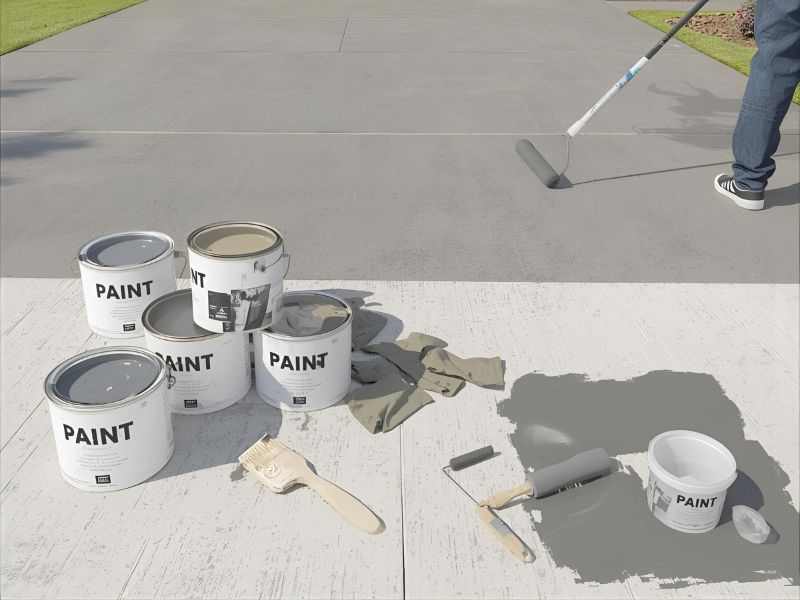
Tarmac surfaces present unique challenges because they're oil-based materials. Standard concrete paint will fail on tarmac surfaces within weeks because it cannot form a proper bond with the bituminous asphalt driveway material. This leads many homeowners to ask, can tarmac driveways be painted, and the answer lies in using the correct materials.
Tarmac paint requires specially formulated products designed specifically for asphalt driveway surfaces. These paints contain modified resins that can adhere to the oily surface of tarmac driveways. The chemistry is completely different from concrete paint, making it crucial to identify your surface type before you paint a driveway.
When painting tarmac surfaces, the paint must penetrate slightly into the surface to achieve proper adhesion. This is why tarmac paint formulations include special solvents and adhesion promoters not found in standard concrete formulations.
Block paving presents another distinct surface type. While individual blocks might be concrete-based, the joints and overall surface profile require careful consideration when selecting the best paint options.
Water based primer and paint systems represent the most popular choice for driveway applications. These environmentally friendly options provide excellent performance while being easier to clean up and safer to apply.
Water based formulations cure by water evaporation rather than chemical reaction, making them less sensitive to temperature and humidity during application. They also provide better colour retention and resist UV damage more effectively than many solvent-based alternatives.
The flexibility of water based systems allows them to accommodate substrate movement without cracking. This is particularly important for exterior applications where thermal cycling can cause significant expansion and contraction.
For high-traffic areas or commercial car parks, heavy duty driveway paint provides superior performance. These formulations are engineered to withstand up to 20,000 vehicle passes per year without showing significant wear.
Heavy duty options typically include enhanced binders and reinforcement materials that create a more robust surface. While they cost more initially, they often prove more economical over time due to reduced maintenance requirements.
The best driveway paints in this category include polyurethane and modified acrylic systems that provide exceptional durability. These best paint options are ideal for commercial applications and high-traffic residential driveways.
Epoxy paints represent the premium end of driveway coatings. These two-part systems form an exceptionally hard wearing surface that can last twice as long as standard formulations.
Epoxy-based driveway paints form a hard, protective shell that can outlast standard paints, offering durability for up to 10 years with proper sealing. The chemical cure process creates a surface that's highly resistant to oil stains, harsh chemicals, and abrasion.
These systems require precise mixing and have limited working time once combined, making them more challenging for DIY application. However, the long-term performance often justifies the additional complexity.
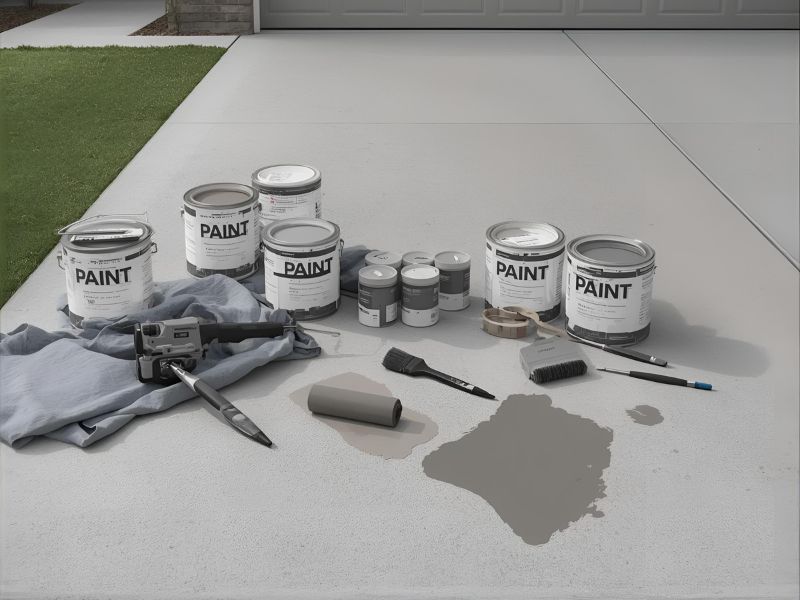
Many modern driveway paints are self priming, eliminating the need for separate primer application. These products contain enhanced adhesion promoters that bond directly to prepared concrete or asphalt surfaces.
Self priming formulations save time during application and reduce the overall system cost. However, they may not be suitable for all surface conditions, particularly where significant staining or surface contamination exists.
Proper surface preparation is critical for achieving a long-lasting finish. You must prep properly before starting any painting project, as inadequate preparation causes more coating failures than any other factor. Knowing how to prep concrete driveway for painting for long lasting results begins with understanding the importance of this initial step.
Existing concrete surfaces need thorough cleaning with a pressure washer to remove dirt, oil stains, and loose material. The pressure washing process should remove all surface contamination and debris that could prevent proper paint adhesion. The surface must be completely dry before painting begins.
Any cracks in the concrete should be filled with appropriate repair products before painting. Wide cracks may require structural evaluation, but minor cracks can usually be filled with concrete repair compounds.
Tarmac surfaces require different preparation techniques. The surface should be swept clean of debris and washed with a degreasing solution to remove any oil buildup. Unlike concrete, tarmac doesn't require aggressive cleaning that might damage the surface.
Pay particular attention to areas where vehicles regularly park, as these zones often have concentrated oil contamination that could prevent proper paint adhesion. A pressure washer can help remove stubborn dirt and debris, but use moderate pressure to avoid surface damage.
Regardless of surface type, thorough cleaning is essential. Remove all dirt, debris, and contamination before starting the painting process. The surface must be completely dry and free from any moisture that could interfere with paint adhesion.
Weather conditions during preparation are as important as during application. Avoid pressure washing if rain is expected, as wet surfaces cannot be properly painted.
The weather forecast plays a crucial role in painting success. Avoid painting during periods of high humidity or when rain is expected within 24 hours. Harsh weather conditions during the curing period can significantly impact paint performance.
Temperature should remain between 10°C and 25°C during application and initial curing. Plan your project during stable weather periods, typically late spring or early autumn in the UK.
Most driveway paints require specific drying time before use. Initial drying time typically ranges from 4-6 hours for light foot traffic, but full vehicle loading may require 24-48 hours. Homeowners often ask how long before you drive on a painted driveway, and the answer depends on both the product and environmental conditions during curing.
Wet paint is particularly vulnerable to damage during the initial curing period. Protect freshly painted surfaces from rain, debris, and premature loading until fully cured.
Consider the complete cure time when planning your project. While the surface may appear dry, full chemical cure can take up to 7 days, during which the coating continues to develop maximum properties.
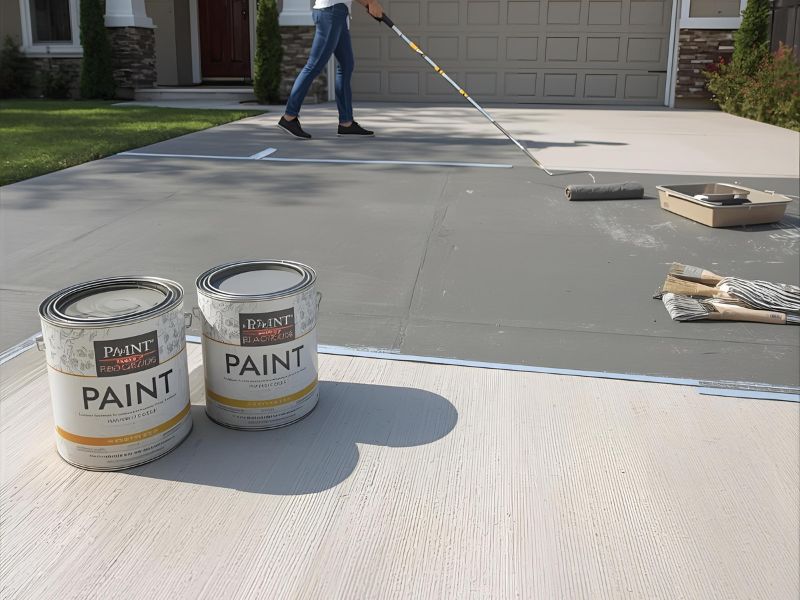
Spring and early summer typically provide the best conditions for driveway painting projects. Surfaces are dry from winter moisture, temperatures are moderate, and there's usually stable weather for several days.
Avoid painting during autumn and winter except for emergency repairs. You should avoid painting during periods of unpredictable weather, as longer drying times increase the risk of coating failure.
For smaller driveways, brush application allows precise control and ensures paint penetrates surface irregularities. Use a high-quality synthetic brush designed for the paint type you're using to achieve an even finish.
Roller application covers large areas more quickly and provides a more uniform finish. Choose a roller with appropriate nap length for your surface texture. Smooth concrete works well with short nap rollers, while textured surfaces need longer nap for proper coverage.
When using either method, maintain a wet edge to prevent lap marks and ensure uniform appearance. Work in manageable sections to avoid working with partially dried material.
Maintaining a wet edge is crucial for professional results. This technique prevents visible overlap marks and ensures uniform colour and texture across the entire surface.
Plan your work sequence to maintain wet edge continuity. Start from corners and work toward exits to avoid walking on wet paint. Use masking tape to protect adjacent surfaces and create clean, straight edges.
Most driveway paints provide coverage of 4-6 square metres per litre, depending on surface porosity and application method. Calculate your requirements carefully, including a 10% allowance for waste and touch-ups.
Consider the wide range of surface textures when estimating coverage. Rough or porous surfaces may require significantly more paint than smooth surfaces to achieve proper film thickness.
The first coat serves as both primer and base layer for most self priming systems. Pay particular attention to achieving uniform coverage, as this coat establishes the foundation for the entire system.
Work systematically to ensure complete coverage without missing spots. The first coat should penetrate into the surface profile while providing uniform colour development.
How many coats are necessary depends on the specific product and application requirements. Most residential applications benefit from two coats for optimal appearance and durability.
Two coats provide significantly improved protection and colour uniformity. The second coat should be applied once the first is touch-dry but still within the recoat window specified by the manufacturer.
A fresh coat applied properly over a well-cured base coat will provide years of reliable service. Ensure proper inter-coat adhesion by following manufacturer timing recommendations.
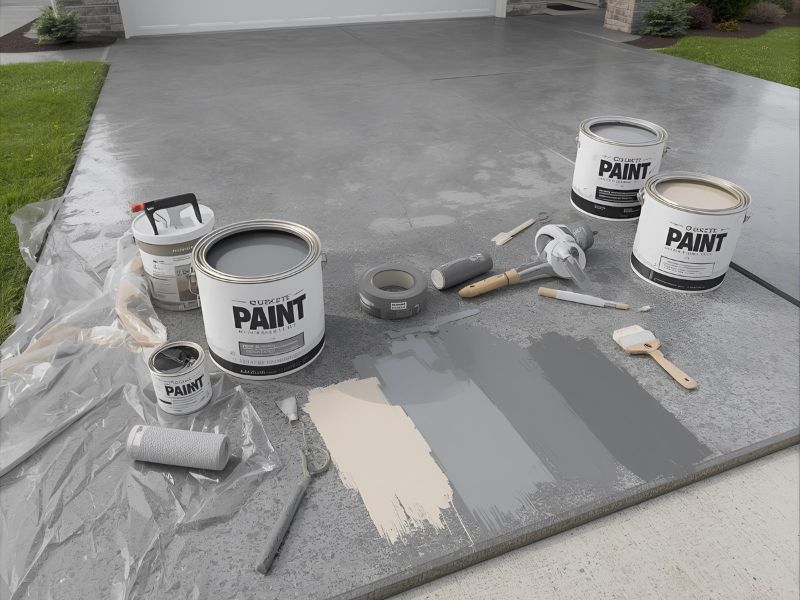
For commercial applications or high-traffic areas, consider systems requiring multiple coats. While this increases initial cost, the long-term performance benefits often justify the investment.
Plan your coating schedule to accommodate proper drying time between coats. Rushing the process can compromise adhesion and overall system performance.
Standard grey and black colours remain the most popular choices for driveway applications. These colours complement most architectural styles and help hide dirt and tyre marks between cleaning cycles.
The colour selection should complement your property's exterior while providing practical benefits. Dark colours can absorb significant heat, potentially reaching uncomfortable walking temperatures in direct sunlight.
Coloured driveway paints are rising in popularity, with up to 25% of homeowners now opting for decorative colours such as red, green, or sandstone tones. The best driveway paints offer colour stability and fade resistance for long-term appearance retention.
When selecting alternative colours, consider factors such as fade resistance, heat absorption, and compatibility with your property's existing colour scheme. Lighter colours reflect more heat but may show dirt more readily.
Heat-reflective driveway paint can lower surface temperatures by 20-30%, making driveways more comfortable to walk on in summer. These specialist coatings include special pigments that reflect infrared radiation rather than absorbing it as heat.
Single layer application of these advanced coatings provides both colour and heat reflection in one product, simplifying the application process while providing performance benefits.
Standard acrylic driveway paint typically lasts 3-5 years with proper application and maintenance. The paint's performance depends on traffic levels, weather exposure, and maintenance practices.
Commercial properties with higher traffic loads will see shorter service life, often requiring recoating every 2-3 years depending on usage levels. Residential driveways generally provide longer service intervals.
Several factors influence how long the coating will last on your driveway. UV exposure, chemical contamination, physical abrasion, and temperature cycling all contribute to coating degradation over time.
Oil stains from vehicles can gradually penetrate and discolour paint coatings. Prompt cleaning and regular maintenance help extend service life and maintain appearance.
Plan for periodic maintenance to extend coating life. This includes regular cleaning, prompt removal of stains, and future touch ups of high-wear areas before damage spreads.
Keep detailed records of the products used, including colour codes and purchase dates, to ensure future touch ups match properly. Store some extra paint for minor repairs and touch-up applications.
Regular maintenance prevents small problems from becoming major failures. Address issues promptly to protect your investment and maintain appearance.
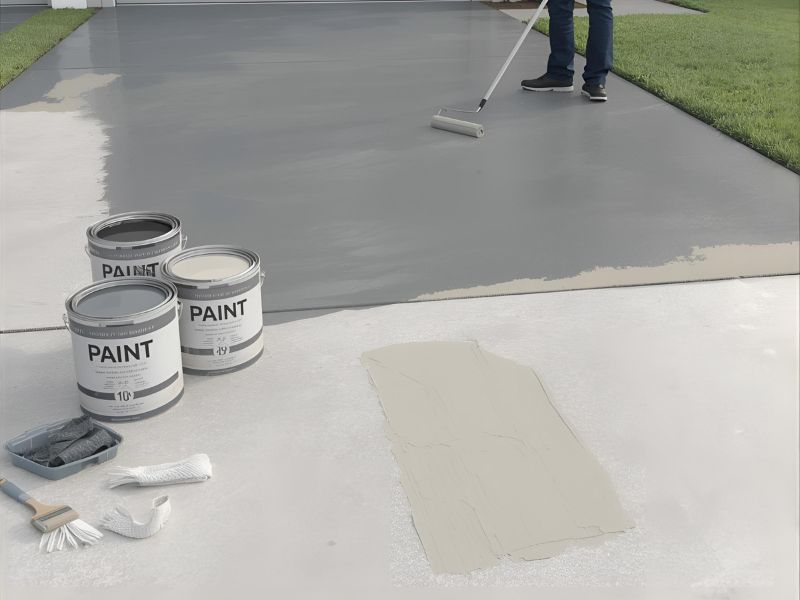
Textured and non-slip formulas reduce slip risk by 30-40% through the inclusion of fine aggregates that create surface traction. These additives are particularly valuable for sloped driveways or areas prone to ice formation. For those wondering, does painting a driveway make it slippery, explore how these solutions enhance traction without compromising appearance.
The safety benefits of textured coatings make them ideal for areas with pedestrian traffic. The added grip improves safety in wet conditions while maintaining the protective benefits of the coating system.
Modern driveway paints often include stain-resistant technology that helps protect against oil stains and other automotive fluids. This protection makes cleaning easier and helps maintain appearance over time.
The coating system should protect the underlying surface from chemical attack and physical damage. Quality formulations provide a barrier against harsh chemicals, including de-icing salts and cleaning agents.
Quality exterior coatings include UV stabilisers that prevent colour fading and polymer degradation from sunlight exposure. This protection is particularly important for coloured finishes that might otherwise fade to uneven tones.
The protect properties of modern coatings extend beyond just colour retention. UV protection helps maintain the physical properties of the coating, preventing chalking and surface degradation.
Commercial car parks and loading areas require significantly more robust coatings than residential driveways. These environments demand paints that can withstand constant heavy vehicle traffic and potential chemical spills.
Heavy duty systems for commercial use often specify higher solids content, enhanced abrasion resistance, and faster cure times to minimise business disruption. The performance requirements justify the higher material and application costs.
Residential driveways typically experience much lighter loading conditions. Standard acrylic systems provide adequate performance for typical family vehicle use while remaining cost-effective.
A new driveway coating can significantly improve property appearance and value. Consider your specific usage patterns when selecting products and coating systems.
The wrong paint can double maintenance costs due to premature failure and frequent reapplication. Investing in appropriate quality for your specific application often proves more economical over time. Many homeowners factor this in when asking, how much does it cost to get your driveway painted in the UK?, as long-term value often outweighs initial savings.
Consider the total cost of ownership, including material costs, application labour, and expected service life when making product selections.
Complex surface preparation, large areas, or specialised coating systems often justify professional application. Professional contractors have experience with proper preparation and application techniques.
Commercial properties typically benefit from professional services due to performance requirements and warranty considerations. The expertise and equipment access often offset labour costs.
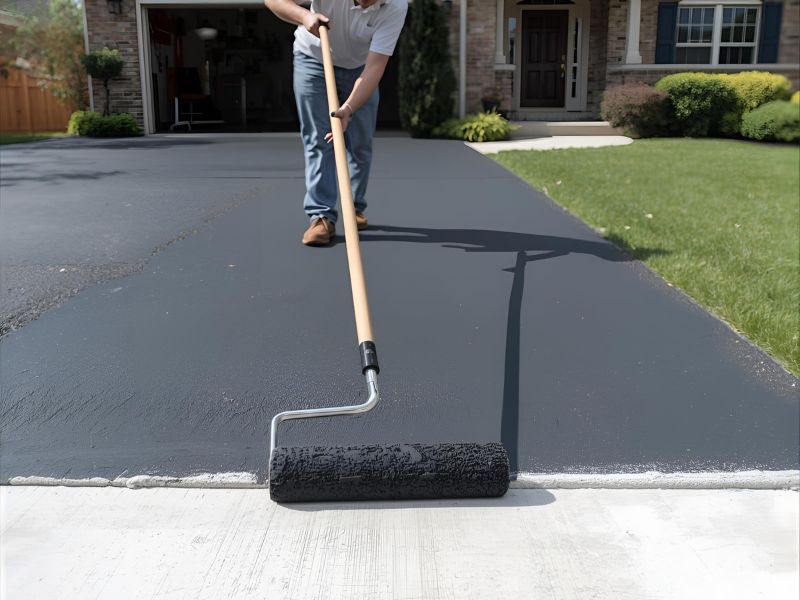
Smaller residential driveways can often be successfully painted by homeowners with proper planning and preparation. The job requires patience and attention to detail rather than specialised skills.
Proper preparation and technique are more important than expensive equipment. Take time to understand the process and prepare adequately for success.
Always wear appropriate personal protective equipment including safety glasses, gloves, and respiratory protection when working with coating materials. Ensure adequate ventilation in enclosed areas.
Use paint thinner and cleaning solvents according to manufacturer instructions. These materials require careful handling and proper disposal according to local regulations.
Existing cracks must be properly repaired before coating application. Small cracks can often be filled with appropriate repair compounds, while larger defects may require professional evaluation.
The repair process should restore structural integrity and provide a smooth surface for coating application. Allow repair materials to cure properly before proceeding with painting.
Oil stains require special treatment before painting. These contaminants can prevent proper paint adhesion and cause premature coating failure if not properly addressed.
Use appropriate degreasing agents to remove oil contamination. Multiple cleaning cycles may be necessary for heavily contaminated areas. Test a small area to ensure the stain removal process doesn't damage the substrate.
All debris and loose material must be removed before painting. This includes dirt, leaves, oil, and any previous coating that's failing or poorly adhered.
Thorough cleaning ensures optimal adhesion and performance. The time invested in proper preparation pays dividends in coating longevity and appearance.
Water based systems typically have lower volatile organic compound emissions than solvent-based alternatives. This benefits both applicator health and environmental compliance.
Choose products that meet current environmental regulations and indoor air quality standards. Many water based formulations provide excellent performance while maintaining environmental responsibility.
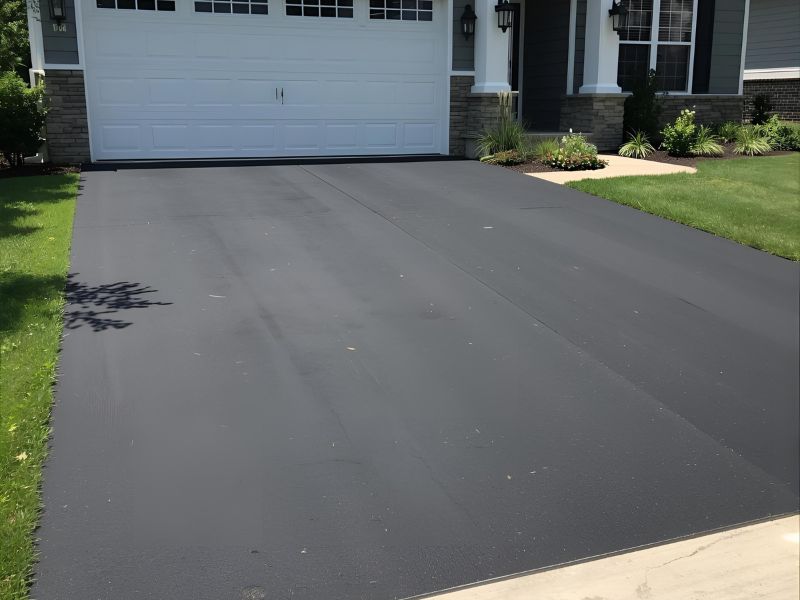
Dispose of unused paint and contaminated materials according to local environmental regulations. Many councils provide hazardous waste collection services for household quantities.
Clean equipment with appropriate solvents, and dispose of contaminated cleaning materials responsibly. Plan for proper cleanup as part of your project budget and timeline.
Always read and follow manufacturer safety data sheets. Use appropriate personal protective equipment and ensure adequate ventilation during application.
Store materials safely away from heat sources and out of reach of children and pets. Many driveway paints contain flammable solvents that require careful handling.
When considering a professional application, obtain detailed written quotes from at least three qualified contractors. Ensure quotes include all materials, surface preparation, and cleanup services.
Verify that contractors carry appropriate insurance and provide warranty coverage for their work. Ask for references from recent similar projects and inspect completed work when possible.
Professional services become particularly valuable for large commercial projects, complex surface preparation requirements, or when long-term warranty coverage is essential.
At Driveway Painting UK, we understand the complexities of selecting and applying the right coating systems. Our experienced team provides comprehensive consultation services to help you select optimal materials and application methods for your specific requirements.
Whether you're refreshing a residential driveway or maintaining a commercial facility, we offer professional assessment, quality materials, and expert application services. Contact Driveway Painting UK today for a free quote and let us help you achieve a durable, professional finish that will protect and enhance your property for years to come.