
Available 7 Days a Week | Emergency Service Available
Call Now: 0333 567 2349 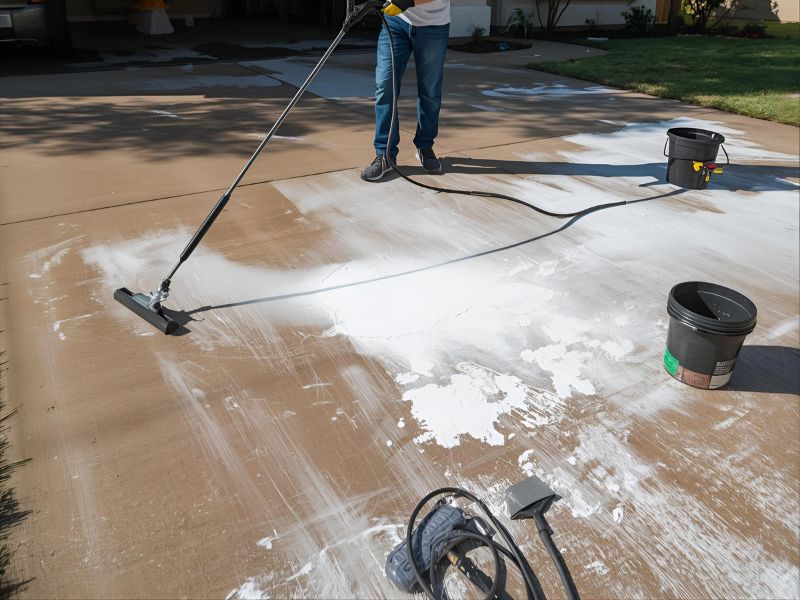
Removing paint from concrete driveways and surfaces presents unique challenges that many property owners underestimate. Paint can penetrate up to 2-4mm into concrete due to its porous nature, making removal far more complex than simply scrubbing the surface. At Driveway Painting UK, we encounter these situations regularly across both domestic and commercial properties.
Whether you're dealing with accidental paint spills, outdated coatings, or preparing surfaces for fresh applications, understanding proper paint removal techniques can save you significant time and money. Professional removal services can cost anywhere between £300 and £2,000, depending on the driveway size, paint type, and removal method required.
Not all paint behaves the same way on concrete surfaces, and this affects your removal approach significantly. Water based paints typically prove much easier to remove compared to oil based alternatives or epoxy coatings. The type of paint you're dealing with determines which method will work most effectively—something to consider not only during removal but also when initially deciding what type of paint do you use on a driveway.
Water based paints, also known as latex paints, generally respond well to pressure washing and mild chemical strippers. These paints haven't penetrated as deeply and can often be removed with persistence and the right tools. However, oil based paints create stronger bonds with concrete surfaces and require more aggressive removal techniques.
Epoxy coatings present the biggest challenge, often requiring mechanical grinding or commercial blasting methods for complete removal. We've seen cases where multiple layers of different paint types exist on the same surface, complicating the removal process further.
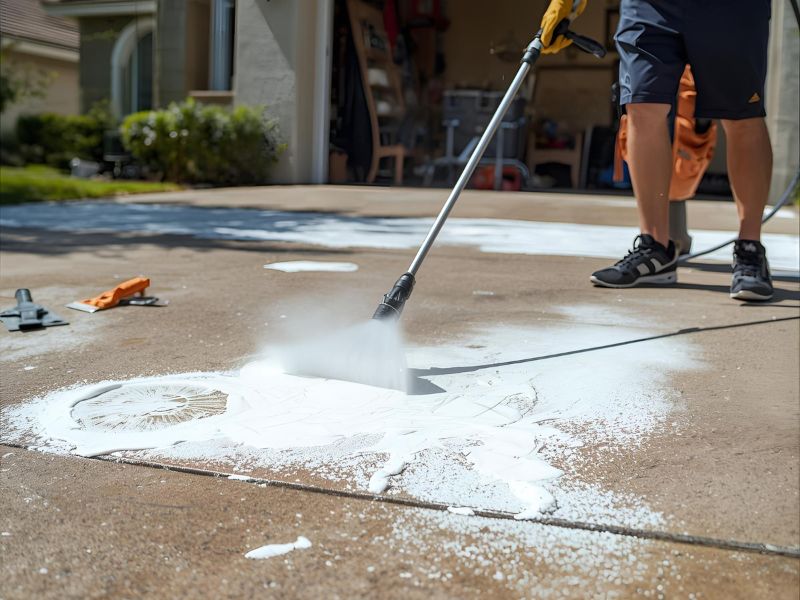
Before attempting any paint removal process, we always emphasise the importance of proper safety measures. Working with paint removers, pressure washers, and scraping tools can pose risks to both your health and property if not handled correctly.
Always wear protective clothing, including safety goggles, rubber gloves, and appropriate footwear. When using chemical paint strippers, ensure adequate ventilation and avoid skin contact with the products. Keep pets and children away from the work area during the removal process.
Test your chosen removal method on a small area first to assess its effectiveness and any potential damage to the concrete surface. This approach helps you avoid costly mistakes on larger areas and allows you to adjust your technique accordingly.
The right equipment makes paint removal significantly more manageable and effective. We recommend gathering these essential tools before starting your project:
A pressure washer with adjustable settings forms the backbone of most paint removal projects. Power washer equipment can remove around 60-70% of paint, particularly when dealing with newer applications or water based paints. However, don't expect pressure washing alone to achieve complete removal on stubborn stains.
Paint scrapers of various sizes help remove loosened paint flakes and stubborn sections. Choose scrapers with comfortable handles to reduce hand fatigue during extended work sessions. A wire brush or stiff brush assists with detail work and areas where scrapers cannot reach effectively.
Chemical paint strippers require careful selection based on your paint type. Some products need up to 24 hours to work effectively, especially those marketed as safer or low-VOC alternatives. Purchase appropriate disposal containers for waste materials and used chemicals.
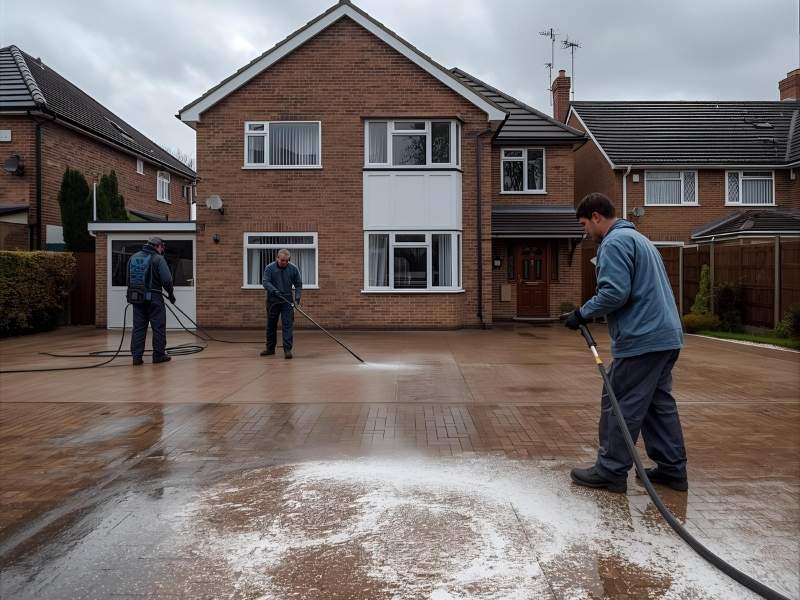
Starting with pressure washing often provides the most straightforward approach to paint removal. This method works particularly well for water based paints and recent paint spills that haven't fully cured or penetrated deeply.
Before getting started, it's worth considering what to spray on driveway before pressure washing, especially if you're dealing with stubborn paint or heavy buildup. Pre-treatment solutions can help loosen paint and improve overall cleaning efficiency.
Begin by clearing the driveway of vehicles, equipment, and loose debris. Connect your pressure washer and adjust the nozzle to a medium-wide spray pattern. Test the pressure on an inconspicuous area to ensure you won't damage the concrete surface.
Work systematically across the painted surface, maintaining consistent distance and pressure. Allow the hot water and pressure to do most of the work rather than forcing the process. You'll notice paint beginning to lift and wash away, though some areas may require multiple passes.
After pressure washing, examine the surface for remaining paint residue. While this method removes a significant portion of surface paint, it rarely achieves complete removal on its own, especially with oil based or older applications.
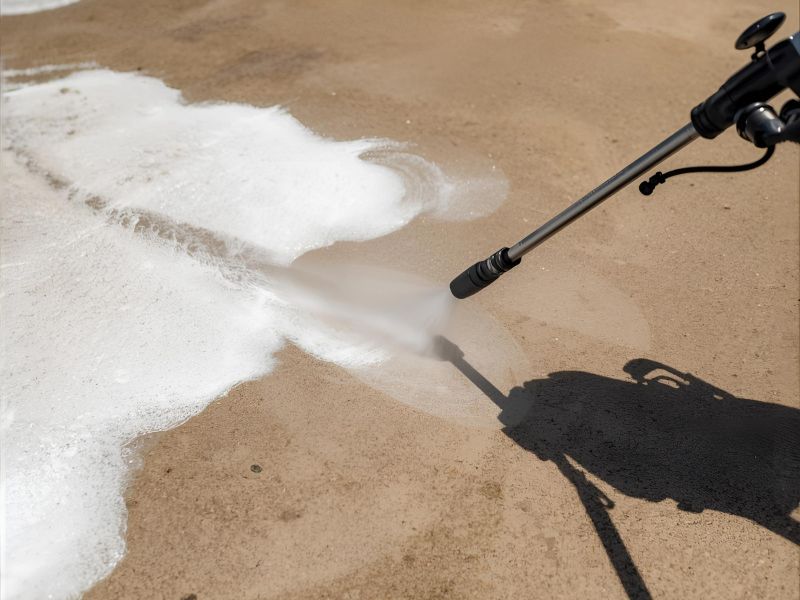
Chemical paint removers offer more aggressive removal capabilities than pressure washing alone. These products work by breaking down the chemical bonds between paint and concrete, making removal much easier.
Apply the stripper according to the manufacturer's instructions, ensuring even coverage across the painted surface. Most chemical strippers require several hours to work effectively, with some needing overnight application for maximum effectiveness. The waiting period allows the chemicals to penetrate through multiple layers of paint.
Once the stripper has had time to work, you'll notice the paint beginning to bubble and lift from the surface. Use a plastic scraper to remove the softened paint, working carefully to avoid gouging the concrete. Follow up with soapy water to neutralise any remaining chemical residue.
Chemical strippers work particularly well on oil based paints that resist other removal methods. However, ensure proper disposal of waste materials according to local environmental regulations.
Heat application can soften stubborn paint, making mechanical removal more effective. This method requires patience but often produces excellent results on difficult stains and multiple layers.
Use a heat gun or similar device to warm small sections of painted surface. Keep the heat source moving to avoid overheating any single area, which could damage the concrete. As the paint softens from the heat, it becomes more pliable and easier to scrape away.
Follow the heated areas immediately with a paint scraper, removing the softened material while it remains workable. This combination approach works well on areas where other methods have failed to achieve complete removal.
Be particularly careful when using heat methods, as overheating can cause concrete surfaces to crack or spall. Work in small sections and allow surfaces to cool between applications.
For the most stubborn paint applications, particularly epoxy coatings or deeply penetrated stains, mechanical grinding may be necessary. This method physically removes the top layer of concrete along with the paint, ensuring complete removal.
Grinding requires specialized equipment and considerable experience to avoid damaging the concrete surface. Improper use of grinding equipment can permanently alter the texture and appearance of your driveway, reducing its lifespan and requiring costly repairs.
Due to the complexity and potential risks involved, we typically recommend professional grinding services for valuable or extensively painted surfaces. The investment in professional equipment and expertise often proves more cost-effective than purchasing grinding tools for single-use projects.
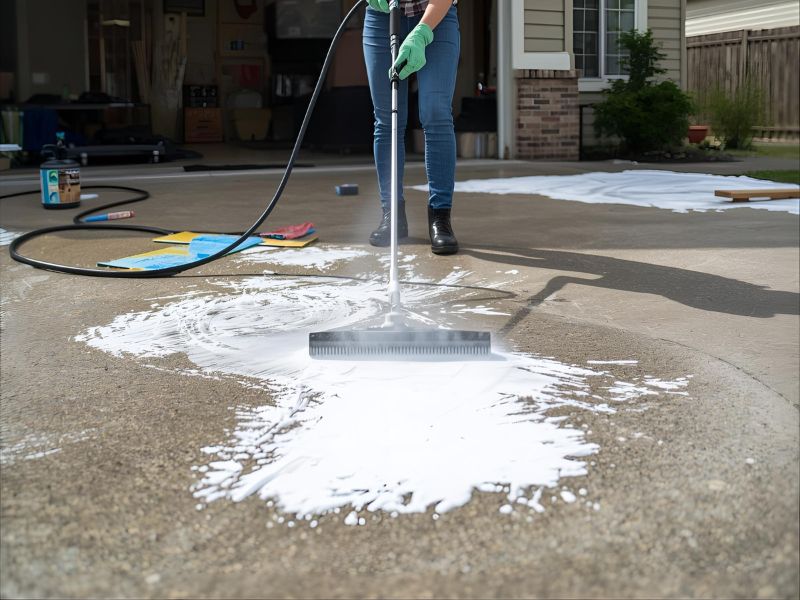
Environmental consciousness has led to increased interest in eco-friendly paint removal techniques. Baking soda blasting, dry ice blasting, and citrus-based chemical strippers are becoming more popular with homeowners due to their lower environmental impact.
Baking soda blasting uses compressed air to propel sodium bicarbonate particles against the painted surface. This method effectively removes paint without using harsh chemicals or generating toxic waste. The process leaves behind only water-soluble residue that can be easily cleaned up.
White vinegar combined with warm water creates a natural paint softening solution for minor paint spills. While not as aggressive as commercial strippers, this approach works well for fresh water based paints and provides a safer alternative for indoor or enclosed areas.
These environmentally friendly techniques often require more time and effort but reduce the health and environmental risks associated with traditional chemical removal methods.
Many property owners make costly mistakes during paint removal that damage their concrete surfaces or make the job more difficult. Understanding these pitfalls helps ensure successful removal without unnecessary complications.
Using excessive pressure during power washing can etch or damage concrete surfaces, creating permanent textural changes. Start with lower pressure settings and gradually increase only if necessary. Remember that patience often proves more effective than brute force.
Neglecting to test removal methods on small areas first leads to widespread damage when aggressive techniques prove too harsh for the particular concrete finish. What works on one surface may damage another, depending on age, finishing techniques, and concrete composition.
Attempting to rush the chemical stripper process by removing products before they've had adequate time to work reduces effectiveness and may require multiple applications. Follow manufacturer's timing recommendations for optimal results.
Determining whether to tackle paint removal yourself or hire professionals depends on several factors including project size, paint type, available time, and budget considerations.
DIY removal makes sense for small areas, recent paint spills, or water based paints that respond well to basic removal techniques. You'll save on labour costs and gain valuable experience for future maintenance needs.
Professional removal becomes advisable for large commercial properties, multiple paint layers, or challenging paint types like epoxy coatings. Professionals have access to specialized equipment and expertise that ensures complete removal without surface damage.
Consider that professional removal reduces re-painting frequency by fully removing old paint instead of layering over it. This thorough approach ensures better adhesion of new coatings, helping fresh paint last longer and perform better over time.
After successful paint removal, proper surface preparation ensures your concrete looks its best and provides a suitable foundation for any future treatments. Remove all remaining residue and debris from the cleaning process.
Allow the surface to dry completely before assessing the final results. Some stains may become more apparent once the surface dries, requiring additional spot treatment with your chosen removal method.
Examine the concrete for any damage that occurred during the removal process. Minor surface scratches often disappear once the concrete weathers naturally, but deeper gouges may require professional repair.
Once you've invested time and effort in removing unwanted paint, protecting your clean concrete surface becomes important for long-term maintenance. Regular cleaning and protective treatments help prevent future staining and make any necessary paint removal easier.
Concrete paint typically has a lifespan of 3-5 years before it starts to chip, peel, or fade, especially in climates with frequent freeze-thaw cycles or high UV exposure. Monitoring the condition of any remaining or newly applied coatings helps you address issues before they become major problems.
Apply concrete sealers to protect against future paint spills and make cleanup easier when accidents occur. These protective treatments create a barrier that prevents liquids from penetrating deep into the concrete surface.
Despite the detailed methods outlined above, some situations clearly warrant professional intervention. Extensive commercial properties, historical buildings, or surfaces requiring specialized treatment benefit from professional expertise and equipment.
If your initial attempts at paint removal prove unsuccessful or if you notice surface damage during the process, stopping and consulting professionals can prevent costly mistakes. Professional assessment can often identify the most effective removal approach for your specific situation.
At Driveway Painting UK, we understand that removing driveway paint represents just one aspect of maintaining attractive, functional concrete surfaces. Our experience with both domestic and commercial properties has shown us that proper removal improves curb appeal by up to 15%, potentially increasing property value and attracting buyers more quickly in competitive markets.
Contact Driveway Painting UK today for a free quote on professional paint removal services, and let our expertise ensure your concrete surfaces look their absolute best.