
Available 7 Days a Week | Emergency Service Available
Call Now: 0333 567 2349 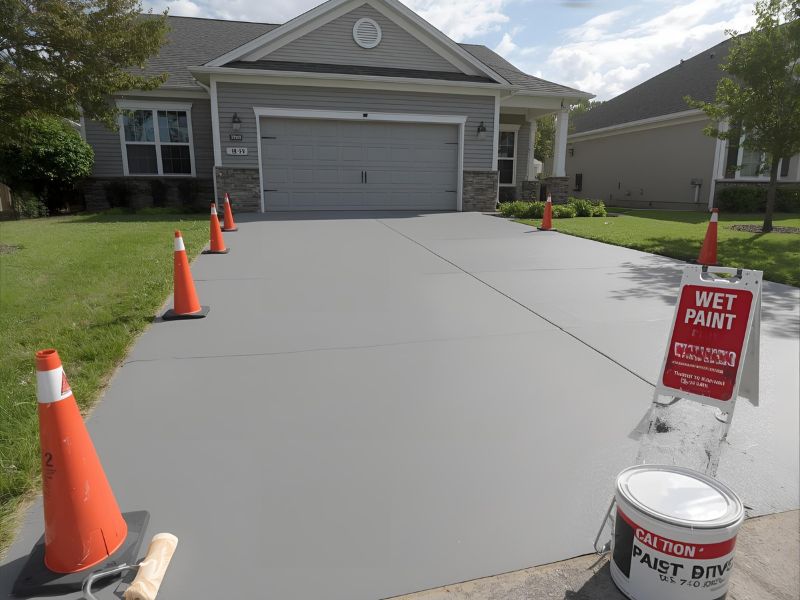
Getting a fresh coat of driveway paint can transform your property's curb appeal, but knowing when it's safe to drive on the newly painted surface is crucial for both domestic and commercial properties. The average wait time is 48-72 hours, though several factors can extend or reduce this period significantly.
The curing process for driveway paint involves more than just surface drying. While the paint may feel dry to touch within hours, the underlying chemical bonds continue forming for days. Most driveway paints need at least two to three full days to cure before they can withstand the weight and friction of vehicles.
Temperature and humidity play crucial roles in determining exactly how long before you drive on a painted driveway. In warm, dry conditions, concrete paint may be ready for vehicle traffic within 48 hours. However, in damp or cool weather, curing can take twice as long, meaning a job that's ready in 48 hours during summer might need up to 5 days in autumn or winter.
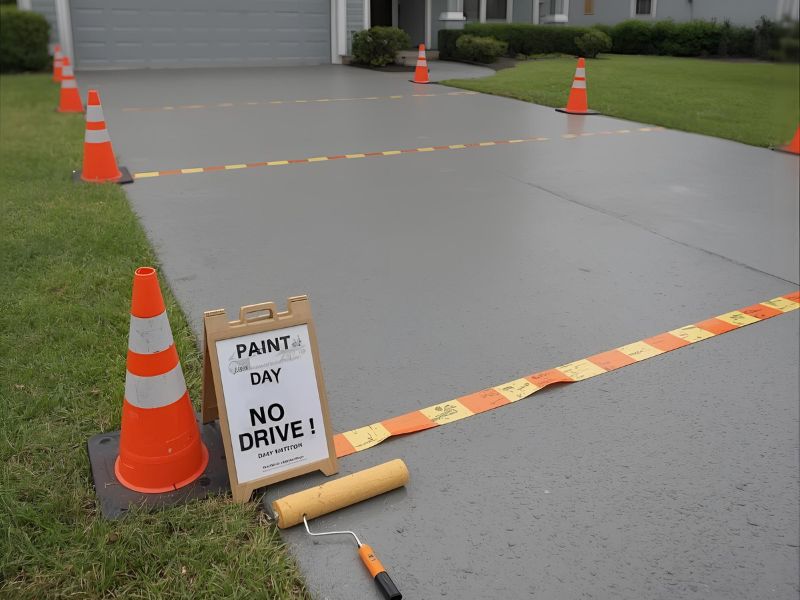
Concrete surfaces require specific types of paint formulated to bond with the porous material. If you're wondering what type of paint do you use on a driveway, it's important to choose a product specifically engineered for concrete to ensure durability and adhesion. Heavy duty driveway paint designed for concrete typically needs 48-72 hours before vehicle traffic is safe. The concrete repair process should be completed before painting, ensuring any cracks are filled with concrete repair caulk.
When applying asphalt sealer to existing concrete or asphalt surfaces, the curing time can vary based on the product thickness and weather conditions. Check the weather forecast before beginning any sealer application, as rain within the first 24 hours can ruin the finish. Property owners often ask, does sealing a driveway prevent weeds?—and while sealing helps by limiting moisture and debris infiltration, proper crack preparation is also essential for long-term weed prevention.
Block paving and other decorative surfaces may require different approaches. The fresh coat application method affects drying time, with two thin coats curing faster and stronger than one thick coat.
Weather conditions significantly influence how long you must wait before driving on your freshly painted driveway. Sunlight accelerates curing by up to 30%, as warm, sunny conditions help solvents evaporate faster and allow paints to harden more evenly compared to shaded or cold driveways.
Overnight moisture poses the biggest risk to new paint applications. If rain or dew lands on a freshly painted surface before it cures, it can leave marks, weaken adhesion, and force a full re-coat. This makes timing your project essential for success.
Cold days can dramatically slow the curing process. Many homeowners underestimate how temperature affects paint chemistry, leading to premature vehicle use and paint damage.
Proper surface preparation directly affects curing time and final durability. Understanding how to prep concrete driveway for painting for long lasting results starts with ensuring the surface is ready for coating. Before you begin painting, the driveway must be completely clean and free from dirt, oil stains, and other contaminants. Using a pressure washer or pressure washing system removes embedded debris that could interfere with paint adhesion.
After pressure cleaning, allow the surface to dry completely. Any moisture trapped beneath the paint will slow curing and potentially cause adhesion problems.
The method used to apply paint influences drying time. Using a paint brush for detail work and rollers for larger areas typically produces better results than spray application alone. Each coat of paint should be applied evenly to avoid thick spots that take longer to cure.
When applying a second coat, ensure the first coat has properly cured according to manufacturer's instructions. Rushing between coats can trap solvents and extend overall curing time.

Foot traffic is usually safe after 24 hours, even though vehicles must wait longer. Walking on the painted surface during the initial curing period should be minimised, but light pedestrian use typically won't damage properly applied driveway paint.
Use common sense when allowing foot traffic. Avoid dragging heavy objects across the surface or allowing pets to run extensively on the freshly painted area during the first day.
Standard passenger cars can typically return after the standard 48-72 hour period, but heavy vehicles require longer curing times. Driveways used by vans, lorries, or caravans often need a full week before the surface is strong enough to handle the extra weight.
Consider the specific needs of your property. Commercial properties with delivery vehicles may need extended curing periods to prevent damage from heavy use.
High traffic areas of the driveway may benefit from additional coats or specialised heavy duty driveway paint formulations. These areas experience more wear and may require longer initial curing times but offer better long-term durability.
During the first day, avoid all vehicle traffic. The paint remains vulnerable to damage from tyres, and any wheel contact can leave permanent marks. However, careful foot traffic is generally acceptable after this initial period.
This represents the minimum safe period for most standard applications. The concrete paint or sealer has formed sufficient bonds to handle normal passenger vehicle weight. However, avoid sharp turns, rapid acceleration, or heavy braking during the first week.
After seven days, the paint has achieved maximum strength. This timeline is particularly important for commercial applications or properties with heavier vehicles. Driving too soon can cut paint life by 50%, so patience during this period pays dividends in longevity.
Professional painters understand the nuances of different products and application conditions. They account for local weather patterns and can adjust application schedules accordingly. Professional work often comes with guarantees that require proper curing time compliance.
When tackling a DIY job, extra caution with timing is advisable. Home applications may lack the precision of professional work, making proper curing time even more critical. Plan your project around weather forecasts and family vehicle needs.
Consider the learning curve involved in paint application. First-time DIY painters may apply uneven coats that require longer curing times in thick areas.
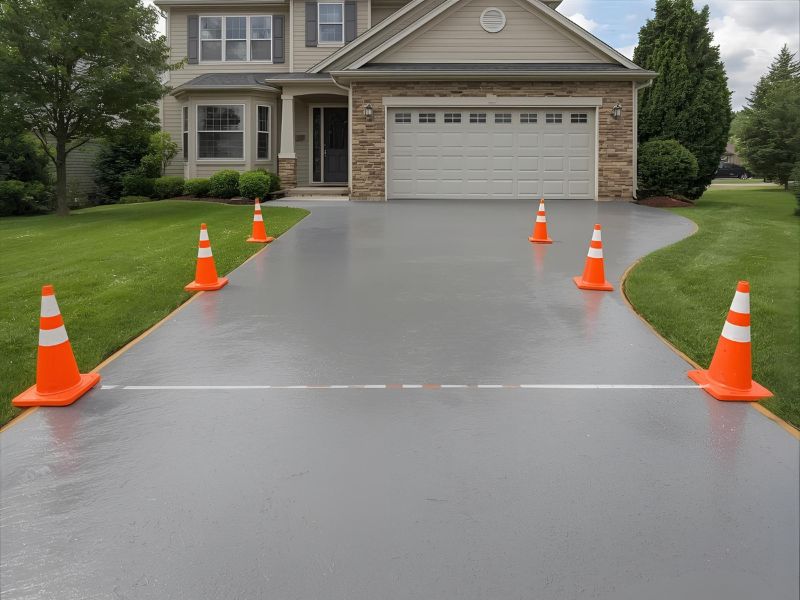
Examine the existing concrete surface for cracks, stains, and wear patterns. Address these issues before painting begins. Fill significant cracks with appropriate concrete repair caulk and allow proper curing time before painting.
Use a stiff broom to remove loose debris, followed by thorough pressure clean techniques. A leaf blower can help clear fine particles from textured surfaces.
Choose paint specifically formulated for driveway applications. Different colours may have varying curing characteristics, with darker shades sometimes curing faster due to heat absorption.
Consider the new surface texture desired. Some paints include sand or other additives for slip resistance, which may affect curing time.
Dry weather is essential for proper paint application and curing. Avoid painting if rain is forecast within 48 hours of application. Humidity levels above 70% can significantly slow the curing process.
Temperature should remain above the manufacturer's recommended minimum throughout the curing period. Cold snaps can halt the curing process entirely.
After painting, protect the surface from unexpected weather changes. While you cannot control natural conditions, you can avoid activities that might damage the fresh coat during curing.
Keep pets and children away from the painted area during initial curing. Pet claws and children's toys can leave permanent marks on soft paint.
Average driveway paint lasts 3-5 years when properly cured, but this lifespan depends heavily on allowing adequate initial curing time. Regular cleaning and occasional touch-ups extend the life of your paint job.
Avoid using harsh chemicals on painted surfaces, especially during the first month after application. Standard cleaning products can be used once the paint has fully cured.
Fully cured paint has a uniform appearance without tacky spots or soft areas. The surface should feel firm underfoot and show no indentation when pressed with a finger.
Check edges and detailed areas where paint may be thicker. These spots often take longer to cure than the main surface area.
Before allowing vehicle traffic, test inconspicuous areas with moderate finger pressure. Properly cured paint will not indent or feel soft.
If any doubt remains about readiness, wait longer. The cost of repainting damaged areas far exceeds the inconvenience of waiting an extra day or two.
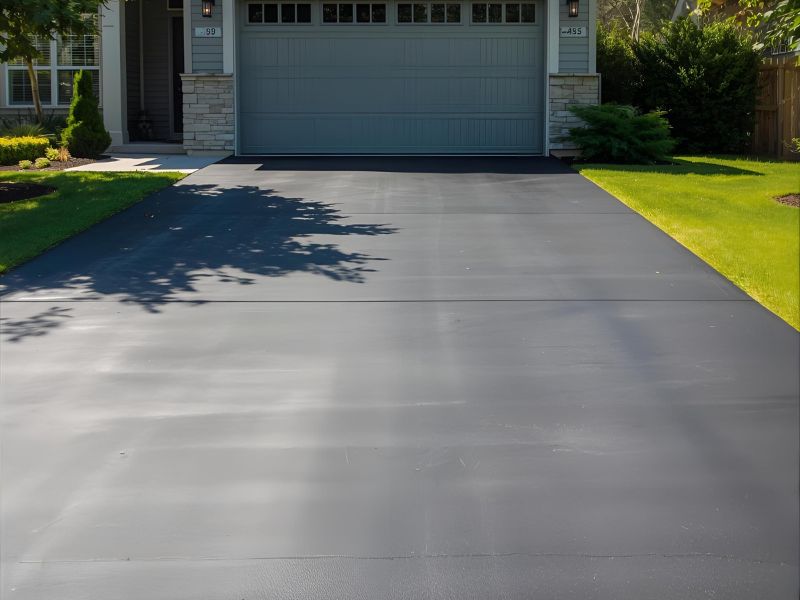
Summer applications generally proceed faster, but extreme heat can cause paint to dry too quickly, leading to poor adhesion. Spring and autumn offer moderate conditions ideal for painting projects.
Winter applications require extended curing times and may not be advisable in regions with freezing temperatures. Plan major painting projects for mild weather periods.
Coastal areas with high humidity may require longer curing times, while dry inland climates may see faster curing. Local experience and professional advice can help determine optimal timing for your specific location.
If paint remains soft after the expected curing time, identify the cause. Common issues include application over damp surfaces, extreme weather conditions, or product expiration.
Remove areas that fail to cure properly and start fresh rather than attempting to paint over problem spots.
Tyre marks and impressions from early vehicle use require immediate attention. Wait until the paint fully cures, then lightly sand damaged areas and apply touch-up coats.
Learn from timing mistakes to avoid future problems. Document successful application timing for future reference.
Large commercial driveways or complex residential projects may benefit from professional application. Professionals have experience with various products and can guarantee proper curing procedures.
If vehicle access cannot be restricted for adequate curing time, professionals may recommend alternative products or application methods that cure more quickly.
Professional application often includes warranties that cover proper curing and performance. This protection justifies the additional cost for many property owners.

Understanding how long before you drive on a painted driveway requires consideration of multiple factors including paint type, weather conditions, and vehicle weight. The standard 48-72 hour guideline serves as a starting point, but local conditions and specific product requirements should guide final decisions.
Proper planning and patience during the curing process ensure your driveway paint job delivers years of reliable service. The investment in quality materials and adequate curing time pays dividends in appearance and durability.
Whether you choose professional application or tackle the project yourself, respecting the curing process protects your investment and ensures optimal results. When in doubt, err on the side of caution and allow extra time rather than risk damage from premature use.
Transform your property with a professionally painted driveway that lasts for years. Driveway Painting UK provides expert surface preparation, quality materials, and guaranteed curing procedures for both domestic and commercial properties. Contact us today for your free quote and discover how professional application can deliver superior results with reliable timing you can trust.