
Available 7 Days a Week | Emergency Service Available
Call Now: 0333 567 2349 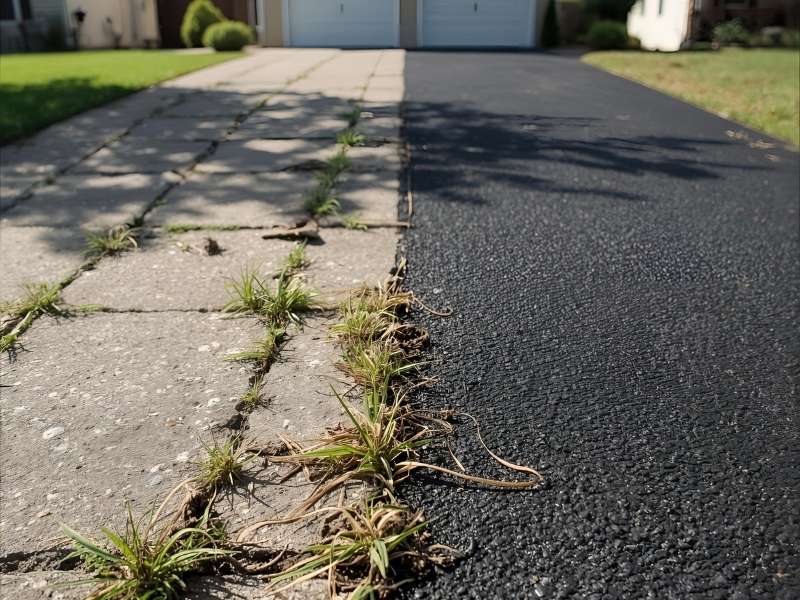
Weeds sprouting through your driveway can be incredibly frustrating. Those stubborn green invaders not only damage your property's appearance but can also cause structural problems over time. Many homeowners wonder if sealing their driveway is the solution to this persistent problem.
The short answer is yes - sealing a driveway significantly reduces weed growth by up to 70-90%. However, the effectiveness depends on several factors including the type of driveway surface, quality of sealant used, and ongoing maintenance practices.
Understanding how weeds establish themselves in driveways helps explain why sealing works so effectively. Contrary to what many homeowners believe, up to 80% of driveway weeds come from above, not below. Weed seeds typically blow in on the wind, collect in cracks and joints, then germinate when conditions are right.
Weeds can grow through cracks as small as 1mm wide. Once moisture, dirt, and organic debris accumulate in these tiny gaps, they create the perfect growing environment. The combination of shelter, nutrients, and water allows even the smallest seed to take root and flourish.
Weather conditions play a crucial role in this process. Spring sunshine and regular rainfall create ideal germination conditions, whilst excess moisture trapped in unsealed joints provides the sustained hydration weeds need to establish strong root systems.
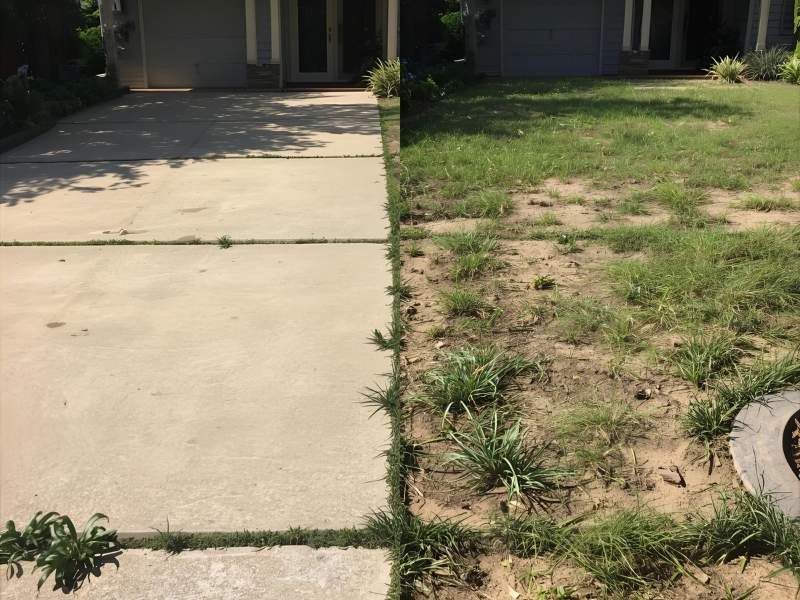
Sealing creates a protective barrier that prevents weed seeds from finding suitable growing spots. The sealing process involves applying a liquid sealant that fills small cracks, joints, and surface imperfections where weeds typically establish themselves.
Research shows that weeds can grow 3x faster in unsealed driveways compared to sealed ones. This happens because unsealed surfaces allow moisture penetration and provide numerous anchor points for developing root systems. A quality paving sealant blocks these entry points whilst creating an inhospitable environment for seed germination.
The protective coating also helps prevent future weeds by stopping the accumulation of organic debris that serves as natural fertiliser. Without this nutrient source, any seeds that do land on the surface struggle to develop into established plants.
Block paving presents unique challenges for weed prevention due to the numerous joints between individual blocks. These gaps naturally collect dirt, moisture, and organic matter, creating perfect conditions for weed growth.
When we seal block paving, the process requires special attention to jointing sand. Traditional kiln-dried sand can wash out over time, creating voids where weeds establish. Polymeric sand offers superior performance as it hardens when wet, creating a solid barrier in the joints.
For maximum protection, the combination of polymeric sand and a quality sealer provides exceptional results. The polymeric sand creates a tough base layer whilst the sealer bonds everything together, making it extremely difficult for weeds or moss to push through.
Professional block paving sealing typically involves thorough pressure washing, applying fresh jointing sand, then coating the entire surface with appropriate sealant. This comprehensive approach addresses both the surface and the critical joint areas where most weed problems originate.
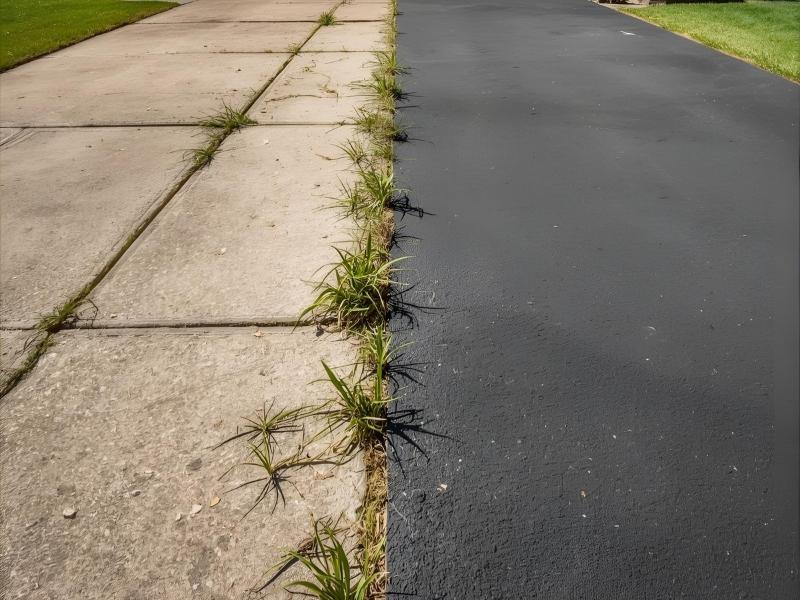
Several sealant types are available for different driveway surfaces, each offering varying levels of weed prevention:
Acrylic Sealers work well for concrete driveways and paving slabs. They create a thin protective film that fills small cracks whilst allowing the surface to breathe. These sealants typically provide 2-3 years of weed protection before requiring reapplication.
Polyurethane Sealers offer enhanced durability and longevity, particularly for high-traffic areas. They penetrate deeper into the surface and provide superior crack-filling properties. The enhanced moisture resistance makes them excellent for preventing the damp conditions weeds require.
Epoxy-Based Sealers provide the strongest protection but are typically reserved for commercial applications or heavily used residential driveways. They create an extremely durable surface that can prevent weed growth for 4-5 years with proper maintenance.
Natural Stone Sealers are specifically formulated for natural stone surfaces, providing protection without altering the stone's natural appearance. These penetrating sealers fill microscopic pores whilst maintaining breathability.
Proper preparation is fundamental to effective weed prevention. The process begins with thorough pressure washing to remove all existing weeds, dirt, and organic debris. Any established vegetation must be completely removed, including root systems that could compromise the seal.
Following equipment such as protective clothing, protective gloves, and protective footwear should be used throughout the process. Weather conditions must be suitable, with the weather forecast showing at least 24-48 hours of dry conditions for proper curing.
Small brush application works best for detailed areas and joint work, ensuring complete coverage in all vulnerable spots. The first coat should be applied evenly, paying particular attention to cracks and joints where weeds are most likely to establish.
A second coat may be necessary for heavily trafficked areas or surfaces with significant existing damage. This additional layer provides enhanced protection and extends the weed-free period by creating a more robust barrier against moisture and seed infiltration.
Concrete Driveways respond excellently to sealing for weed prevention. The porous nature of concrete allows good sealant penetration, creating strong bonds that effectively fill cracks and prevent moisture accumulation. Sealed concrete driveways typically remain weed-free for 3-4 years.
Asphalt Surfaces benefit significantly from sealing, though the approach differs slightly from concrete. Asphalt sealers help prevent crack formation whilst filling existing small fissures where weeds could establish. UV rays help break down asphalt and concrete sealer over time, making regular resealing every 3-5 years essential for continued weed resistance.
Block Paving Systems require specialised approaches due to their jointed construction. The combination of proper jointing material and surface sealing provides comprehensive weed prevention. When properly executed, sealed block paving can reduce weed maintenance by 50% compared to unsealed surfaces.
Natural Stone Driveways need careful sealant selection to avoid altering their appearance. Penetrating sealers work best, filling microscopic pores whilst maintaining the stone's natural breathability and appearance.
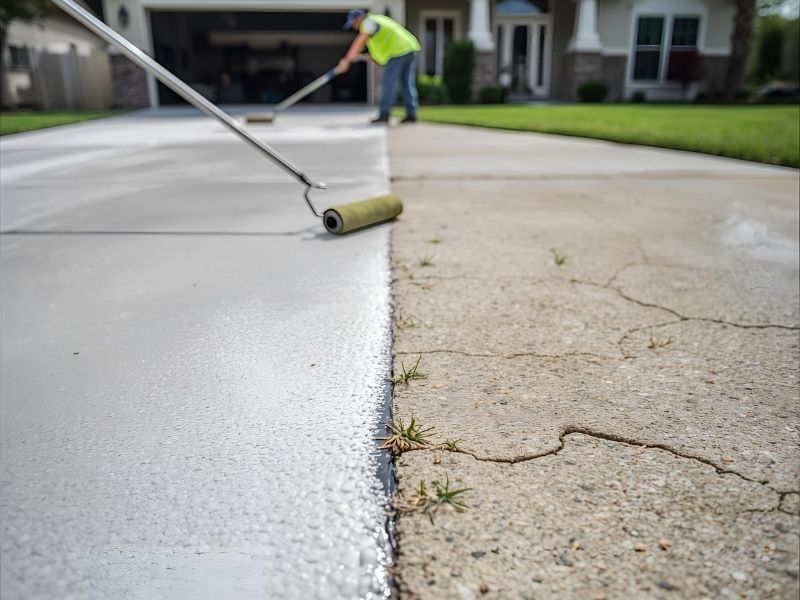
Sealing provides numerous additional advantages that make it worthwhile beyond just weed control. The protective coating helps prevent structural damage by stopping water penetration that can cause freeze-thaw damage during winter months.
Surface protection from oil stains, dirt penetration, and general wear significantly extends your driveway's lifespan. Many homeowners find their sealed driveways easier to clean and maintain, requiring less frequent deep cleaning or professional restoration.
The enhanced appearance of a freshly sealed driveway also adds to your property's kerb appeal and value. A tidy driveway free from weeds and stains creates a positive first impression that benefits both residents and potential buyers.
Regular sweeping becomes more effective on sealed surfaces as debris sits on top rather than embedding in cracks and joints. This makes ongoing maintenance simpler and reduces the likelihood of conditions that promote weed growth.
Poor surface preparation is the most common reason sealing fails to prevent weeds effectively. Rushing the cleaning process or failing to remove all existing vegetation allows problems to persist beneath the sealant layer.
Applying sealant in unsuitable weather conditions compromises its effectiveness. High humidity, impending rain, or extreme temperatures can prevent proper curing, creating weak spots where weeds can eventually break through.
Using inappropriate sealant types for specific surface materials reduces performance and longevity. What works for concrete may not be suitable for natural stone or block paving systems.
Neglecting joint areas during application leaves vulnerable spots where weeds can establish. These seemingly small areas often become major problem zones if not properly sealed during the initial application.
Professional sealing services offer several advantages for homeowners seeking reliable weed prevention. Experienced contractors understand which products work best for different surface types and local weather conditions. They also have access to commercial-grade sealants that may not be available to general consumers.
The professional assessment of your driveway's condition helps identify areas requiring special attention before sealing. This thorough evaluation prevents future problems and ensures optimal results.
However, DIY sealing can be cost-effective for smaller areas or homeowners with experience in similar projects. The key is choosing appropriate products and following manufacturer instructions precisely, particularly regarding surface preparation and application timing.
Equipment rental for pressure washers and professional-grade applicators makes DIY projects more feasible, though the learning curve can result in uneven coverage if proper techniques aren't followed.
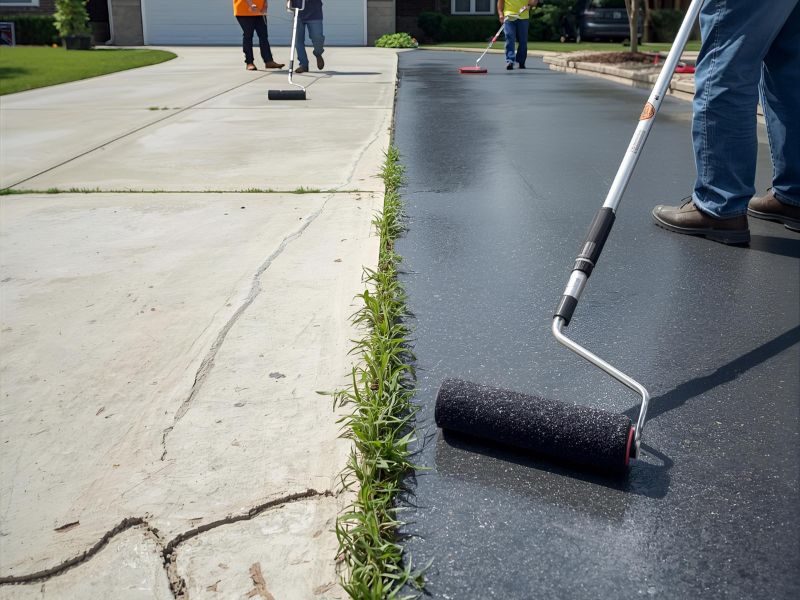
Even well-sealed driveways require ongoing maintenance to maximise weed prevention effectiveness. Regular inspection helps identify any areas where the seal may be wearing thin or small cracks are beginning to form.
Prompt treatment of any emerging weeds prevents them from establishing strong root systems that could compromise the seal. Using appropriate weed killer on newly germinated seedlings is much more effective than waiting until they're established.
Keeping the surface clean of organic debris reduces the likelihood of creating conditions where wind-blown seeds could germinate. Simple regular sweeping removes leaves, dirt, and other materials that could accumulate and provide growing media for weeds.
Resealing every 3-5 years maintains the protective barrier and ensures continued weed resistance. This preventive approach is much more cost-effective than allowing the surface to deteriorate and require complete restoration.
The initial investment in driveway sealing typically pays for itself through reduced maintenance costs and extended surface life. Professional sealing costs vary depending on surface area, material type, and local market rates, but generally range from £3-8 per square metre. Homeowners often ask, how much does it cost to get your driveway painted in the UK? While sealing and painting involve different materials and techniques, overall pricing is influenced by similar factors such as surface preparation, size, and finish type.
DIY sealing reduces labour costs but requires equipment investment and material purchases. When calculating costs, factor in pressure washer rental, protective equipment, sealants, and your time investment.
The long-term savings from reduced weed maintenance, fewer repairs, and extended driveway life often justify the initial expense. Sealed driveways require 50% less weed maintenance than unsealed ones, representing significant time and cost savings over several years.
Enhanced property value from improved kerb appeal provides additional return on investment, particularly important for homeowners considering future sale prospects.
Modern sealants increasingly focus on environmental responsibility whilst maintaining effectiveness. Water-based formulations reduce VOC emissions and environmental impact compared to solvent-based alternatives.
Preventing weed growth through sealing reduces the need for chemical herbicides, benefiting local ecosystems and water quality. This approach aligns with sustainable gardening practices whilst still achieving effective weed control.
Proper disposal of any chemical residue during the sealing process protects groundwater and surrounding vegetation. Following manufacturer guidelines for cleanup and disposal ensures minimal environmental impact.
The extended lifespan of sealed surfaces reduces the frequency of replacement, decreasing the environmental cost of manufacturing and transporting new materials.
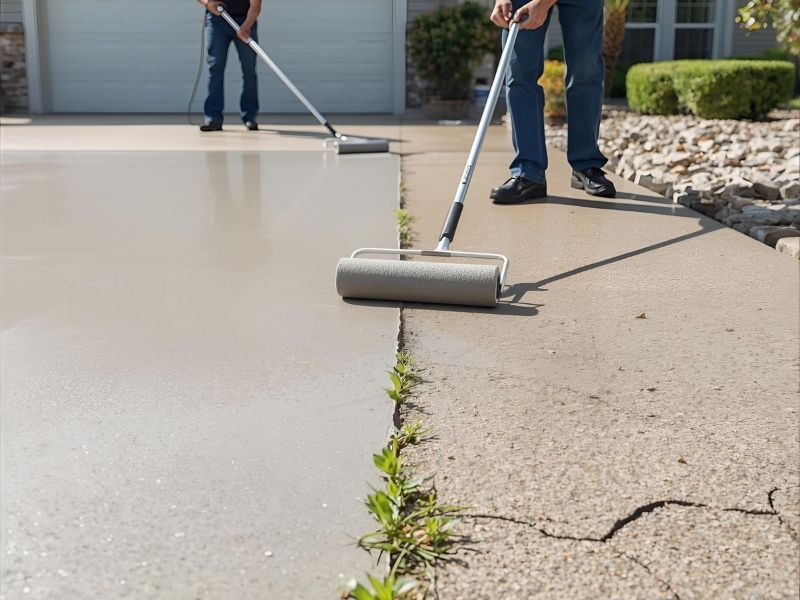
When sealing doesn't prevent weeds as expected, several factors might be responsible. Incomplete surface preparation often leaves organic matter or moisture trapped beneath the sealant, creating weak spots where vegetation can emerge.
Inadequate coverage in joint areas allows weeds from growing in these vulnerable spaces. Careful inspection and touch-up application in missed areas usually resolves these problems.
Weather damage from extreme temperature cycles or exceptional rainfall can compromise even well-applied sealants. Regular inspection after severe weather helps identify areas needing prompt attention.
Using products unsuitable for your specific driveway material or local climate conditions reduces effectiveness. Consulting with local suppliers about appropriate products for your situation prevents these issues.
Certain situations warrant professional intervention rather than DIY approaches. Extensive existing damage, complex drainage issues, or large surface areas often benefit from professional expertise and equipment.
If previous DIY sealing attempts have failed to stop weeds effectively, professional assessment can identify underlying problems and provide comprehensive solutions.
Commercial properties with high visibility or heavy traffic loads require professional-grade materials and application techniques to ensure adequate performance and longevity.
Safety concerns with working on slopes, around traffic areas, or with specialised equipment make professional services the safer choice for many homeowners.
Does sealing a driveway prevent weeds? Absolutely, and the results speak for themselves. With proper preparation, quality materials, and expert application, driveway sealing can reduce weed growth by 70-90% whilst extending your surface's lifespan and enhancing your property's appearance.
Don't let weeds continue damaging your driveway and detracting from your home's kerb appeal. Our experienced team at Driveway Painting UK specialises in professional sealing services for all types of residential and commercial surfaces. We use premium sealants appropriate for your specific driveway material and local conditions, ensuring maximum weed prevention and long-lasting results.
Contact Driveway Painting UK today for your free quote and discover how professional sealing can transform your driveway into a weed-free, attractive surface that enhances your property's value for years to come.