
Available 7 Days a Week | Emergency Service Available
Call Now: 0333 567 2349 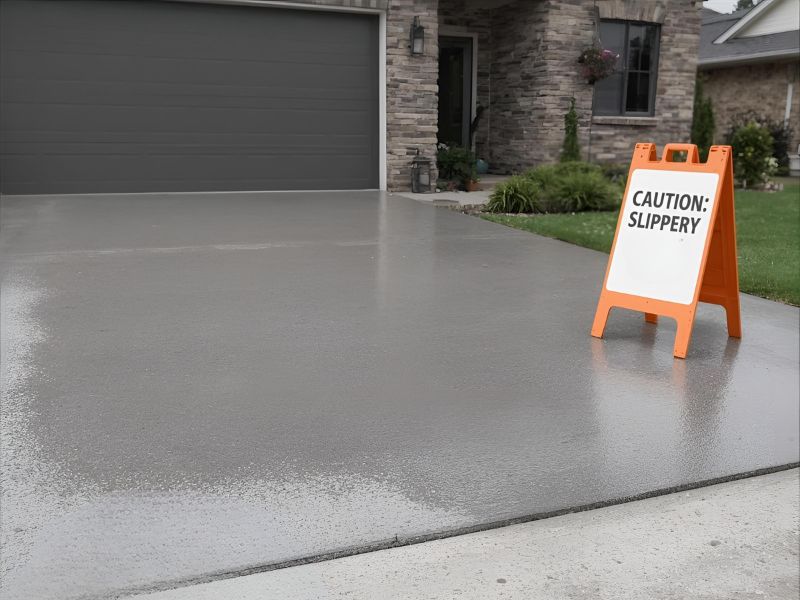
Painting your driveway can transform the appearance of your property, but many homeowners worry about one critical question: does painting a driveway make it slippery? The short answer is that it can, but with proper preparation and the right materials, you can achieve both beauty and safety. At Driveway Painting UK, we've helped thousands of property owners create stunning driveways that prioritise safety without compromising on curb appeal.
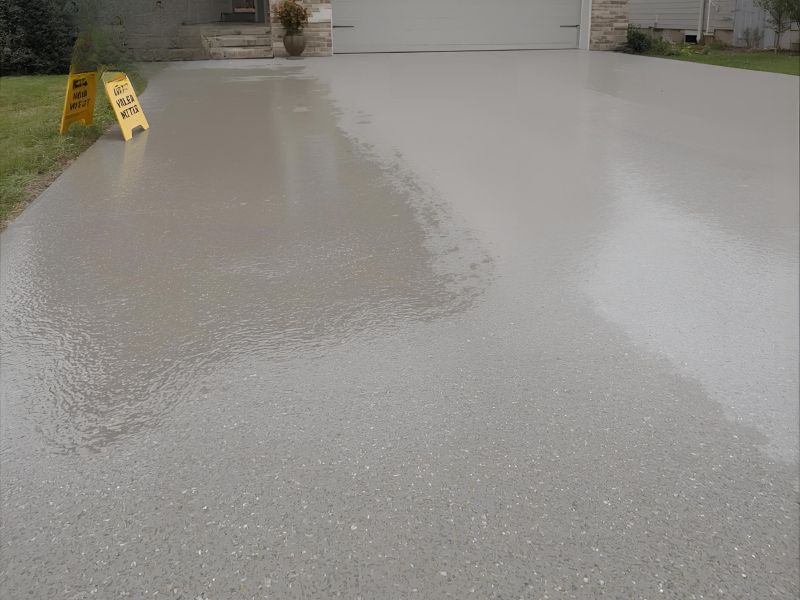
When you apply paint or sealer to a concrete driveway, you're essentially creating a new surface layer. This protective layer can significantly affect how your driveway performs in different weather conditions. Freshly painted surfaces are up to 30% more slippery when wet because the smooth layer of paint reduces natural surface texture, making water sit on top instead of draining through the concrete's pores.
The type of paint and finish you choose makes a massive difference to safety. Understanding what type of paint do you use on a driveway is essential, as it directly impacts traction, durability, and overall performance. Gloss finishes are the most slippery option available, as high-sheen coatings look sleek but often increase slip potential, especially in rain. In contrast, matte finish options or textured finish applications offer far better grip and enhanced safety for both pedestrians and vehicles.
Many homeowners don't realise that the concrete surface preparation stage is just as important as the paint selection. A surface properly prepared with the right texture and cleaning will perform much better than one that's hastily painted over existing stains and debris.
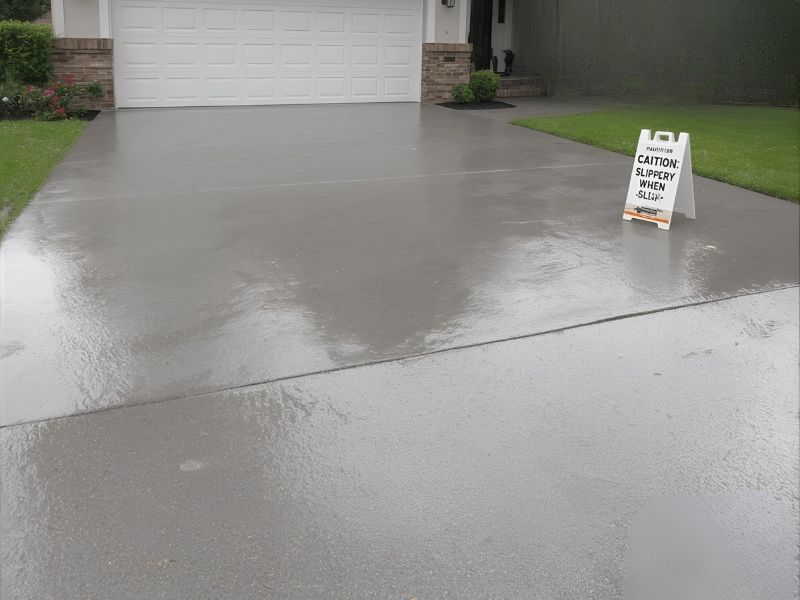
The physics of why painted driveways can become slippery is straightforward. When you apply driveway paint to concrete, you're covering the natural porosity and texture that helps provide traction. A smooth paint film creates what's essentially a barrier between your feet or tyres and the concrete below.
This becomes particularly problematic during wet weather conditions. Rain increases slip risk by 70% on untextured painted surfaces because water pooling creates a slick layer that can make driveways dangerous without proper preparation or additives. The water cannot penetrate through the paint layer as it would with bare concrete, so it sits on the surface creating hazardous conditions.
Oil stains and other spills compound this problem significantly. Oil and grease make painted driveways twice as slippery compared to untreated surfaces. Unlike bare concrete where spills can partially absorb, painted surfaces keep everything sitting on top, creating an even greater slip hazard if not cleaned quickly.
Stamped concrete driveways face similar challenges when sealed or painted. The decorative patterns may look appealing, but without proper anti slip additives, they can become treacherous in wet conditions.
Slips are most common in the first 7 days after painting, while the coating is still curing. During this period, the surface feels slicker than normal, making early foot and vehicle traffic particularly risky. This is when the paint hasn't fully bonded and hardened, creating an unstable surface layer that offers minimal traction.
Driveways with a slope over 10% need extra protection when painted or sealed. The combination of gravity and reduced friction from paint creates a perfect storm for accidents. Painted sloped surfaces are more prone to slipperiness in wet weather, making non-slip additives almost essential for safety rather than optional extras.
Heavy traffic areas also present unique challenges. Driveways that see frequent vehicle movement or foot traffic will experience faster wear of any textured additives, potentially returning to a slippery state sooner than expected. Regular maintenance becomes crucial in these high-use areas.
The first coat application is often when problems begin. Many DIY enthusiasts apply thick coats thinking this will provide better coverage, but this actually creates a smoother, more slippery surface. Two coats applied properly with the right thickness will always outperform one overly thick application.
The good news is that modern driveway painting doesn't have to compromise safety. Non-slip additives reduce slip risk by 40-60% when properly incorporated into paint systems. These additives come in various forms, from fine sand to specialised polymer grit that creates microscopic texture without affecting the visual appearance.
A concrete sealer mixed with anti slip additives provides the best of both worlds - protection for your concrete driveway and enhanced safety. The key is choosing the right type and quantity of additives for your specific situation. Too little won't provide adequate grip, while too much can make the surface feel rough and uncomfortable underfoot.
Textured paints represent another excellent option. These specially formulated coatings can improve grip by 25% compared to bare concrete while still providing all the protective benefits you want. They're designed with traction in mind, adding subtle grit that actually makes them safer than untreated surfaces.
For existing painted driveways that have become slippery, retrofitting solutions exist. Anti-slip treatments can be applied over existing paint, though the surface properly prepared beforehand will always yield better results than quick fixes applied to failing surfaces.
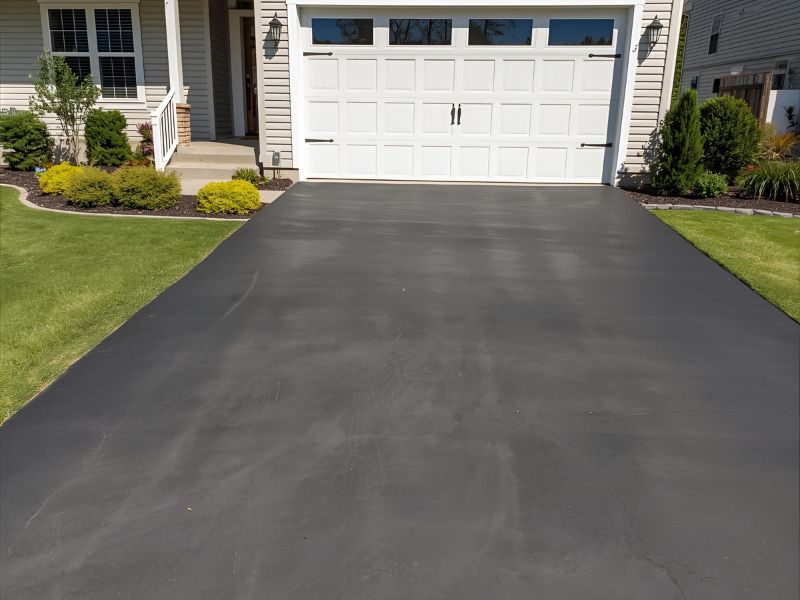
While many homeowners consider DIY driveway painting, the safety implications make professional application worth considering. Professionals understand how different materials interact, how weather conditions affect curing, and which anti-slip additives work best for specific situations.
Professional contractors also have access to commercial-grade products that aren't available to consumers. These often include advanced concrete cleaner formulations, specialised sealers, and anti-slip additives that provide superior performance compared to retail products.
The mixing process for anti-slip additives requires precision. Too much can create an uncomfortably rough surface, while too little leaves you with a potentially dangerous slippery surface. Professionals have the experience to get this balance right consistently.
Application timing also matters significantly. Professionals understand when weather conditions are suitable for painting, how temperature affects curing times, and when additional protective measures are needed. This expertise helps ensure your driveway performs safely from day one.
Even the best anti-slip driveway paint requires ongoing maintenance to remain safe. Regular cleaning removes oil stains, dirt, and debris that can compromise traction. A pressure washer used carefully can help maintain the textured surface without damaging the paint underneath.
Annual inspection of high-traffic areas helps identify where the anti-slip properties may be wearing thin. These areas can be touched up before they become safety hazards. Many homeowners don't realise that an extra layer of anti-slip treatment can be applied without completely repainting the entire driveway.
Stubborn stains should be addressed quickly, not just for appearance but for safety. When spills are left to sit, they can create permanently slippery spots that compromise the entire surface's safety performance.
Seasonal preparation also plays a role. Before winter weather arrives, checking that your anti-slip surface is in good condition helps prevent accidents during the most challenging weather conditions.
Not all concrete paint systems are created equal when it comes to safety. Epoxy paint and epoxy coatings can be excellent choices when properly formulated with anti-slip additives. These create a durable protective barrier while maintaining good traction properties.
Standard concrete paint without additives should generally be avoided for driveways where safety is a concern. While it may provide colour and some protection, it often creates more problems than it solves in terms of slip resistance.
Water-based systems typically offer better grip than solvent-based alternatives, though both can be made safe with proper additives. The key is understanding what you're buying and ensuring it's appropriate for your specific application.
Always look for products specifically designed for driveway use rather than general concrete paint. These formulations are engineered to handle vehicle traffic, weather exposure, and the unique demands of horizontal surfaces where safety is paramount.
Many homeowners worry that anti-slip treatments will significantly increase project costs. In reality, the added cost of proper anti-slip additives is minimal compared to the potential costs of accidents or having to completely redo a dangerous surface.
Quality concrete sealer with anti-slip properties typically costs only 10-15% more than standard products, but provides dramatically improved safety performance. When you consider the added durability and reduced liability, this represents excellent value. It’s no surprise that many property owners ask, how much does it cost to get your driveway painted in the UK?, especially when weighing the benefits of professional-grade safety finishes.
The cost of professional application may seem high initially, but it often works out cheaper than DIY attempts that need to be redone. Professionals get it right the first time, using the right materials in the correct proportions.
Consider also the long-term value to your property. A properly painted driveway with good anti-slip properties can boost curb appeal while maintaining safety, potentially adding more value than a slippery surface that creates liability concerns.
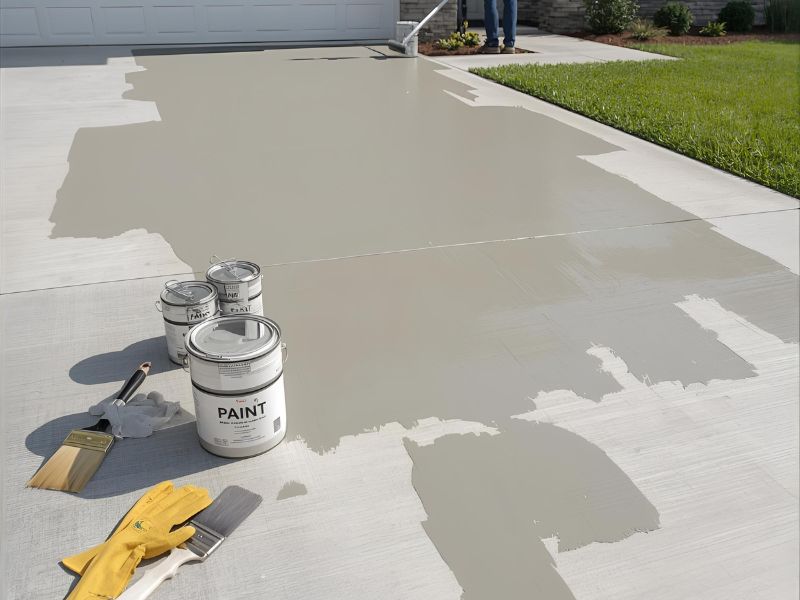
UK weather conditions present unique challenges for driveway surfaces. Our frequent rain, occasional ice, and temperature fluctuations mean that anti-slip properties are essential rather than optional for painted driveways.
Coastal areas face additional challenges from salt air, which can affect both paint adhesion and the performance of anti-slip additives. Specialised products designed for marine environments may be necessary in these locations.
Areas with heavy frost require extra consideration. Some anti-slip additives perform better than others in freeze-thaw cycles. Choosing the right product for your climate helps ensure long-term safety and performance.
Urban environments with higher pollution levels may need more frequent cleaning to maintain anti-slip properties. Dirt and grime can fill in textured surfaces, gradually reducing their effectiveness.
If painting seems too risky or complicated, several alternatives can improve your driveway's appearance while maintaining or improving safety. Pressure washing followed by a clear concrete sealer with anti-slip additives can refresh the look without the complications of colour coatings.
Concrete staining offers another middle ground. These products penetrate the concrete rather than sitting on top, reducing the slip risk while still providing colour enhancement. When combined with anti-slip sealers, they can provide excellent results.
For severely damaged driveways, resurfacing with textured concrete might be the best long-term solution. This creates a completely new surface that can be designed with safety in mind from the start.
Pattern imprinting or stamping during concrete installation provides texture and visual appeal while maintaining natural grip properties, though these still benefit from proper sealing and maintenance.
Before starting any driveway painting project, professional assessment can save time, money, and prevent safety issues. Experienced contractors can evaluate your existing surface, identify potential problem areas, and recommend the most appropriate treatment approach.
Soil conditions, drainage patterns, and structural issues all affect how painted surfaces will perform. A professional evaluation helps ensure that painting is the right solution for your specific situation.
Load-bearing considerations also matter. Driveways that regularly accommodate heavy vehicles need different paint systems than those used only for cars and foot traffic. Professional assessment helps match the solution to the actual use requirements.
Safety regulations and insurance implications may also need consideration, particularly for commercial properties. Professional guidance ensures compliance with relevant standards and requirements.
Commercial driveways face different challenges than residential ones. Higher traffic volumes, heavier loads, and greater liability concerns all influence the choice of paint systems and safety measures.
Commercial properties often need specialised slip-resistant coatings that meet specific safety standards. These requirements may not be obvious to property owners but are crucial for avoiding liability issues.
Maintenance schedules for commercial properties typically need to be more frequent and systematic. The higher use levels mean that anti-slip properties wear out faster and need more regular refreshing.
Budget considerations differ too. While commercial projects may have higher upfront costs, the liability protection and professional appearance often justify the investment in premium anti-slip systems.
Modern anti-slip technology has come a long way from simply mixing sand into paint. Today's solutions include microsphere additives that provide grip without creating uncomfortable surfaces, polymer-based texture systems that maintain their properties longer, and even smart coatings that change texture in response to moisture.
Nanotechnology applications are beginning to appear in professional-grade products. These create microscopic surface textures that provide excellent grip while remaining smooth to the touch and easy to clean.
Self-cleaning properties are being incorporated into some premium systems. These help maintain anti-slip performance by preventing the buildup of dirt and grime that can compromise traction.
UV-resistant formulations ensure that both colour and anti-slip properties remain stable over time, even under intense sun exposure.
The question "does painting a driveway make it slippery" doesn't have a simple yes or no answer. With proper materials, preparation, and application techniques, painted driveways can be both beautiful and safe. The key is understanding the risks and taking appropriate measures to address them.
Properly prepared surfaces balance safety and aesthetics effectively. When applied with anti-slip finishes, painted driveways not only look fresh and vibrant but can actually be safer underfoot than untreated concrete or asphalt surfaces.
The investment in quality materials and proper application pays dividends in both safety and appearance. Rather than viewing anti-slip treatments as an optional extra, consider them an essential component of any driveway painting project.
Professional guidance ensures that your project meets both aesthetic and safety goals. While DIY approaches might seem cost-effective initially, the peace of mind and long-term performance of professional installation often represent better value.
Don't let safety concerns prevent you from improving your property's appearance. At Driveway Painting UK, we specialise in creating beautiful driveways that prioritise safety without compromising on curb appeal. Our experienced team understands the local conditions, appropriate materials, and application techniques needed to deliver results that look great and perform safely in all weather conditions.
Whether you have a residential driveway that needs refreshing or a commercial property requiring professional-grade anti-slip coatings, we have the expertise and materials to deliver outstanding results. Our comprehensive approach includes surface assessment, proper preparation, premium materials, and ongoing maintenance advice to ensure your investment provides years of safe, attractive service.
Contact Driveway Painting UK today for a free quote and consultation. Let us show you how modern driveway painting techniques can enhance your property while keeping safety as the top priority. Your perfect driveway solution is just a phone call away.