
Available 7 Days a Week | Emergency Service Available
Call Now: 0333 567 2349 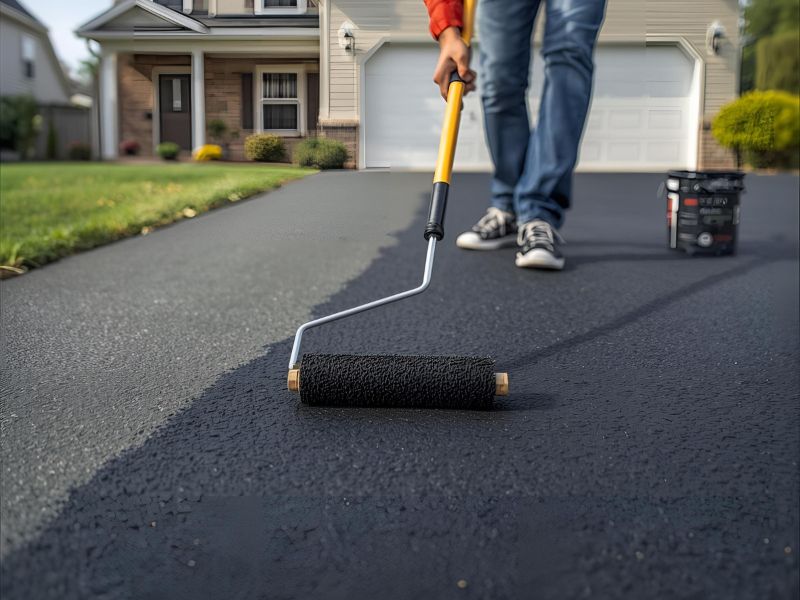
The question "can tarmac driveways be painted" is one we hear almost daily, and the answer is absolutely yes. Over 65% of tarmac driveways in the UK fade within 5 years due to constant exposure to weather, UV rays, and vehicle traffic. Rather than expensive resurfacing, painting offers a practical solution that's 80% cheaper than re-surfacing while delivering impressive results.
We've helped hundreds of property owners transform their driveways, car parks, tennis courts, and parking areas using specialist tarmac paint. The process isn't just about making things look better - properly applied tarmac paint can extend your surface life by up to 10 years while improving visual appeal by 15-20%.
Tarmac, also known as tarmac asphalt, is made from a mixture of aggregates bound together with bitumen. This creates a durable surface that handles heavy traffic well, but it has one major weakness - it's vulnerable to weathering on any external surface.
The black tarmac colour that looks so sharp when new starts fading almost immediately. UV rays break down the surface resins, weather damage creates small cracks, and oil stains from vehicles leave permanent marks. Without protection, even new tarmac begins showing wear within months, with lost resins becoming a major problem.
This is where tarmac paint becomes essential. Modern tarmac restorer products are specially formulated to flex with the tarmac surface during extreme temperatures, preventing the cracking and peeling you'd get with regular paint. A painted tarmac driveway can withstand up to 20,000 vehicle passes a year when properly applied.
The specialist tarmac coating creates a barrier against water penetration while maintaining weather resistance that protects against harsh chemicals and oil spills that would otherwise permanently stain the surface.
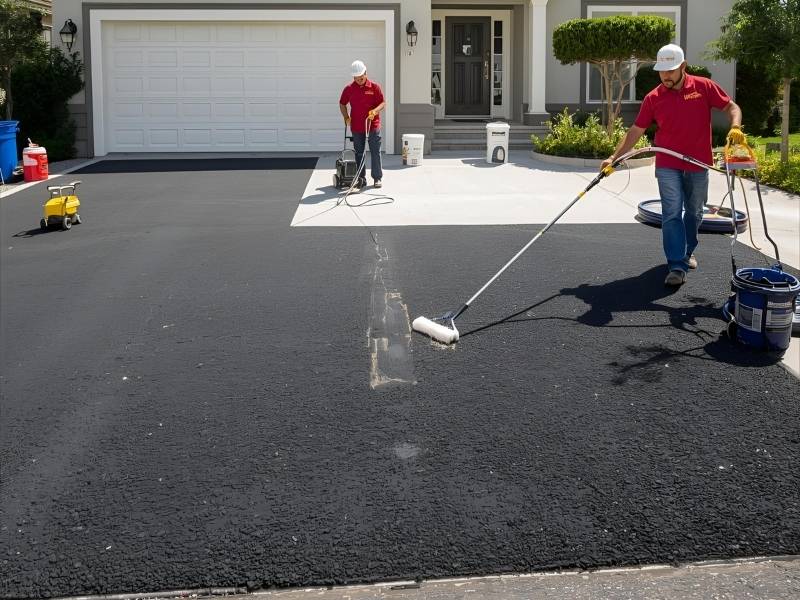
Not all tarmac paint is created equal. We use several different paint products depending on the specific application and expected traffic levels, from basic tarmac driveway paint to advanced tarmac restorer black formulations. Knowing what type of paint do you use on a driveway is essential to ensure the right match for durability, appearance, and surface compatibility.
Acrylic-Based Tarmac Paint: The most popular choice for domestic driveways and existing tarmac driveways that see moderate foot traffic. These paint products dry quickly (typically 2-4 hours) and provide good weather resistance against UV rays and weather conditions.
Resin-Enhanced Tarmac Restorer: For heavy traffic areas like car parks and commercial applications, resin-based tarmac coating offers superior durability. These products penetrate deeper into the tarmac surface and create a harder-wearing finish that resists oil stains and extreme temperatures.
Tarmac Sealer Products: Sometimes called tarmac restorer black, these products combine sealing and colouring in one application. They're particularly effective on old tarmac that's lost resins over time, helping restore both appearance and structural integrity.
Quality tarmac paint comes in various colours, though black remains the most popular. We've applied vibrant colour finishes in red, green, and grey for decorative purposes, tennis courts, and to match existing surfaces. Some clients prefer cheap tarmac paint options, but we always recommend investing in quality products that last.
Proper preparation makes the difference between a job that lasts years and one that fails within months. We never skip these critical steps:
Surface Cleaning: Start with a thorough clean using a pressure washer or power washer. This removes dirt, algae, and loose material that would prevent proper paint application. For oil spills, use a specialized degreaser before power washing. Any green growth or moss must be completely removed and treated to prevent regrowth. If you’re wondering how to prep concrete driveway for painting for long lasting results, this initial cleaning stage is one of the most important.
Some areas may need a leaf blower to clear debris, while others benefit from a vacuum cleaner for fine particles. The goal is creating a clean external surface that's ready for paint.
Crack and Hole Repair: Small cracks should be filled with cold repair compound before painting. Larger holes need proper patching with quality materials. This step is crucial because tarmac paint won't hide structural problems.
Areas where you need to remove paint from previous failed applications require careful preparation. Sometimes this means using specialized solvents or mechanical removal methods.
Drying Requirements: The tarmac surface must be completely dry before applying any coating. We typically wait 24 hours after cleaning, longer if the weather conditions aren't ideal. Check the weather forecast before starting - you need at least 4-6 hours of dry conditions after application. Equally important is knowing how long before you drive on a painted driveway—most coatings require 48 to 72 hours of curing time before allowing vehicle traffic to avoid premature wear or surface damage.
The surface should dry completely to prevent moisture from causing adhesion problems later.

We've refined our paint application process over years of practical experience working on everything from domestic driveways to commercial car parks:
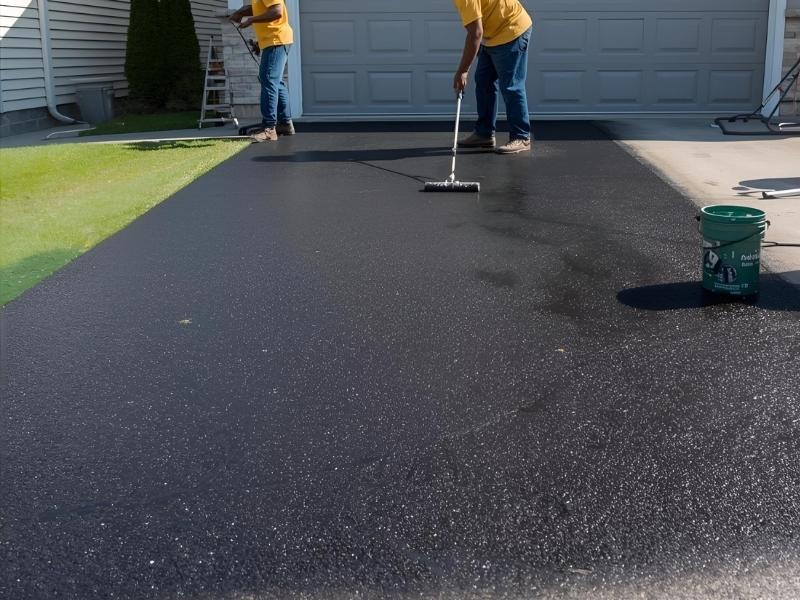
Tool Selection: For most asphalt surfaces, we use a long pile roller which gives even coverage and works paint into the textured tarmac surface. Medium pile rollers work better on very smooth surfaces. Brush application is only used for edges and detail work.
First Coat Application: Apply the first coat systematically across the surface. Don't try to cover everything in one thick application - thin, even coverage gives better results. The first coat often looks patchy, but this is normal for the initial layer.
Two Coats Method: Most surfaces benefit from two coats of tarmac paint. The first coat seals and primes the surface, while the second provides the finished colour and protection. This two coats approach ensures maximum durability and visual appeal.
Traffic Restrictions: Keep all foot traffic and vehicle traffic off the painted surface until completely cured. Light foot traffic is usually acceptable after 4-6 hours, but avoid heavy traffic for at least 24 hours.
A professionally painted tarmac driveway requires minimal maintenance but benefits from some basic care:
Regular Cleaning: Sweep regularly to remove debris and leaves. For deeper cleaning, use a garden hose or gentle power washer. Avoid harsh chemicals that could damage the tarmac coating.
Dealing with Stains: Oil stains should be cleaned quickly to prevent permanent marking. Most modern tarmac coatings resist oil penetration, making cleanup easier than on untreated surfaces. Oil spills need immediate attention to prevent staining.
Top Up Coat Applications: High-wear areas like turning circles may need a top up coat every 3-5 years. This top up coat application is much cheaper than repainting the entire driveway and keeps everything looking fresh.
The painted surface resists green growth by filling small cracks where seeds typically take root. This alone saves hours of maintenance work each year.
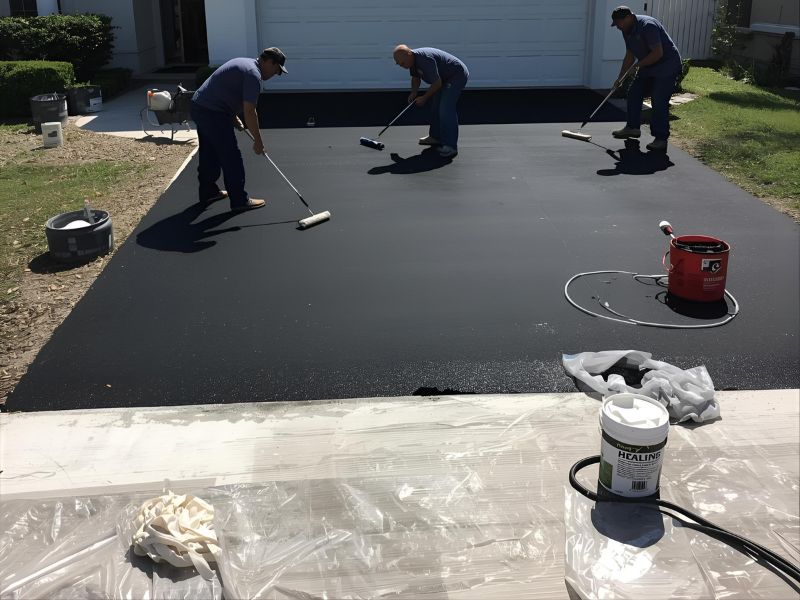
Tarmac painting isn't limited to domestic use. We regularly work on commercial properties including:
Car Parks and Parking Areas: Commercial parking areas see constant heavy traffic and benefit enormously from protective coatings. Fresh tarmac paint instantly improves the professional appearance while extending surface life. These parking areas often require specialized paint formulations to handle the traffic load.
Tennis Courts and Sports Surfaces: Tennis courts require specialized tarmac paint that can handle rapid direction changes and equipment impact. We use sport-specific coatings that maintain their colour and texture under intensive use.
Industrial Areas: Factory yards, loading bays, and other industrial tarmac or asphalt surfaces often need chemical-resistant coatings. These areas typically require more frequent maintenance due to heavy traffic and potential spillages.
The same principles apply regardless of scale - proper preparation, quality paint products, and correct application techniques deliver results that last.
While our focus is tarmac and asphalt surfaces, we often work alongside other materials:
Tarmac or Asphalt Combinations: Many driveways combine tarmac or asphalt with other materials like block paving edges or concrete borders. Each material requires different preparation and paint systems.
Existing Tarmac Driveway Restoration: An existing tarmac driveway often shows uneven wear patterns. Some areas may need a top up coat while others require complete repainting. We assess each existing tarmac driveway individually.
New Tarmac Applications: New tarmac surfaces need time to cure before painting. We typically recommend waiting 3-6 months before applying paint to new tarmac to ensure proper adhesion.
Professional tarmac painting delivers exceptional value compared to alternatives:
Material Investment: Quality tarmac paint costs more than cheap alternatives, but the difference in durability justifies the investment. We never recommend cheap tarmac paint as it often fails within the first year, requiring expensive removal and reapplication.
Labour Efficiency: Professional tarmac painting takes just 1 day for an average-sized driveway, including preparation, paint application, and cleanup. This efficient process minimizes disruption while delivering professional results. Naturally, many homeowners ask, how much does it cost to get your driveway painted in the UK? While prices vary depending on driveway size, surface condition, and paint type, professional services generally offer excellent return on investment when compared to full resurfacing.
Long-term Value: The visual appeal improvement makes painted surfaces look like new installations. This quality alternative to replacement often influences property valuations positively, especially when selling or letting properties.
Weather conditions play a crucial role in successful paint application:
Temperature Requirements: Surface and air temperatures should be above 10°C and below 30°C. Extreme temperatures affect paint flow and curing, potentially leading to poor adhesion or surface defects.
Weather Forecast Planning: Always check the weather forecast before starting. Any chance of rain within 6 hours of application means postponing the work. Water damage to fresh paint cannot be repaired.
Seasonal Timing: Late spring through early autumn provides optimal weather conditions. We avoid winter months when temperatures are too low and weather conditions too unpredictable for reliable results.
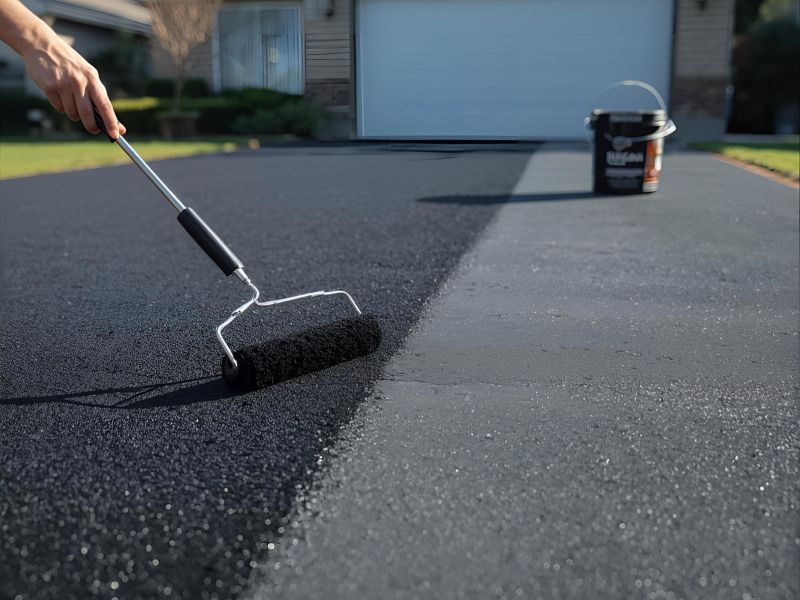
Even with careful application, some issues can arise:
Paint Adhesion Problems: Poor bonding typically results from contaminated surfaces or incorrect product selection. Some very old surfaces may need special primers or surface preparation before paint application.
Colour Fading Issues: Quality UV-resistant tarmac restorer maintains its colour for years, but cheaper products may fade quickly. Always specify UV protection when selecting paint products.
Traffic Damage: Heavy traffic or early use can damage fresh paint. Following proper curing times prevents most traffic-related problems. Some areas may need specialized paint formulations for extreme use.
Surface Preparation Failures: Inadequate cleaning or failure to let surfaces dry completely often causes early paint failure. Proper preparation takes time but prevents costly remedial work.
Professional results require proper tools:
Cleaning Equipment: A pressure washer or power washer is essential for proper surface preparation. A leaf blower helps clear loose debris, while a vacuum cleaner removes fine particles from textured surfaces.
Application Tools: Long pile rollers work best on textured surfaces, while medium pile rollers suit smooth applications. Quality brushes handle edge work and detail areas.
Safety Equipment: Proper protective equipment protects against paint vapours and ensures safe working conditions throughout the paint application process.
Modern tarmac paint formulations prioritize environmental responsibility:
Low-Impact Formulations: Many current products are water-based rather than solvent-based, reducing environmental impact and making paint application safer and more pleasant.
Waste Management: Proper disposal of cleaning materials and paint containers is essential. We handle all waste disposal as part of our comprehensive service.
Health Protection: Professional paint application includes proper safety equipment and procedures. DIY users should always wear protective equipment and ensure adequate ventilation during paint application.
Planning ahead keeps painted surfaces looking their best:
Regular Inspection: Annual inspection identifies problems before they become serious. Early intervention prevents costly repairs and extends the life of the tarmac coating.
Cleaning Routine: Regular maintenance keeps surfaces looking fresh and prevents buildup of materials that can damage the paint finish. Avoid harsh chemicals that could compromise the weather resistance.
Touch-Up Planning: Setting aside funds for eventual touch-up work or a top up coat makes maintenance less stressful when needed. Plan for a top up coat every 3-5 years in high-wear areas.
We maintain high standards across all projects:
Material Selection: We only use quality tarmac paint that meets our performance standards. This quality alternative to cheaper options ensures long-lasting results and customer satisfaction.
Application Standards: Every first coat gets proper preparation, and we never rush the two coats process. This attention to detail ensures maximum visual appeal and durability.
Performance Guarantees: Professional work comes with guarantees that protect your investment. Our track record speaks to the quality of our paint application methods and material choices.
Painting tarmac driveways offers an outstanding way to revive tired asphalt surfaces while protecting them for years to come. The combination of restored visual appeal, weather resistance, and extended surface life makes this quality alternative worthwhile for both domestic and commercial properties.
Whether you have an existing tarmac driveway that needs refreshing, car parks requiring professional maintenance, or tennis courts needing specialized treatment, the right tarmac paint makes all the difference. From initial surface preparation through final paint application, every step contributes to results that last.
At Driveway Painting UK, we've transformed hundreds of tarmac surfaces across the country using proven techniques and premium paint products. We handle everything from pressure washing and surface preparation through final coating application and traffic management.
Ready to transform your tarmac surface? Contact Driveway Painting UK today for your free, no-obligation quote and discover how we can restore your driveway, car parks, or tennis courts to like-new condition with our professional paint application service.