
Available 7 Days a Week | Emergency Service Available
Call Now: 0333 567 2349 
A well-maintained driveway significantly enhances curb appeal and protects your property investment. However, achieving that pristine clean requires more than just blasting away with a pressure washer. Pre-treating your driveway surface with the right cleaning solution can boost cleaning efficiency by up to 70%, making your pressure washing efforts far more effective.
Whether you're dealing with oil stains on a concrete driveway or algae growth on tarmac driveway surfaces, the key to successful driveway cleaning lies in choosing the correct pre-treatment spray. We'll guide you through the essential cleaning agents and methods to ensure your entire driveway receives thorough cleaning that lasts.
Before reaching for your pressure washer, understanding the importance of pre-treatment can save you time, effort, and costly repairs. Over 60% of driveway stains are oil-based, originating from engine oil, transmission fluid, or tyre marks. These petroleum-based contaminants require specific cleaning power to break down effectively.
Simply using high pressure water alone often pushes stubborn stains deeper into porous surfaces like concrete. Research shows that concrete can absorb up to one litre of liquid per square metre, meaning surface cleaning without pre-treatment leaves embedded dirt and grime untouched.
Professional cleaning methods consistently demonstrate that using a pre-treatment reduces water usage by 30% while delivering superior results. This approach not only protects delicate surfaces but also ensures your clean driveway maintains its appearance longer. Without proper pre-spraying, dirt and algae return faster, meaning you might need cleaning services again in six months rather than a full year.
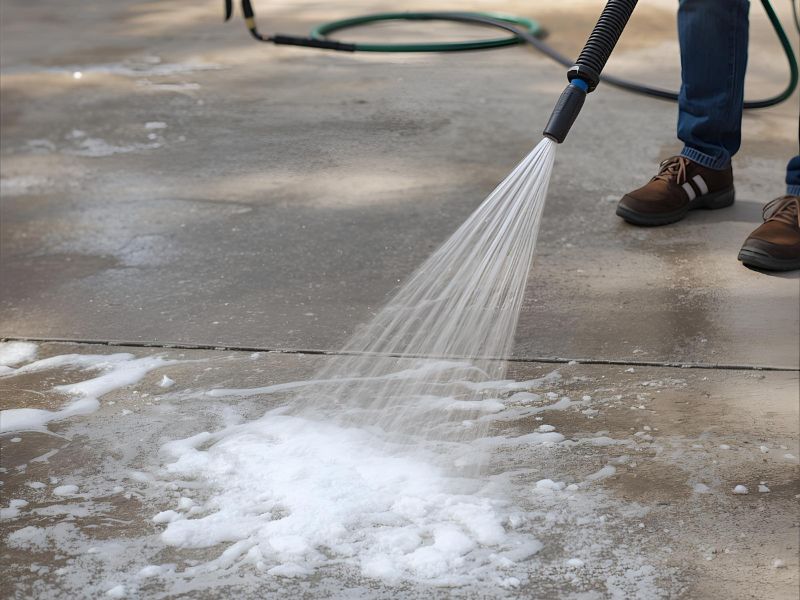
Each driveway surface demands specific cleaning approaches. Concrete surfaces are naturally porous and absorb spills readily, making them prone to permanent staining without prompt treatment. Block paving presents unique challenges with its individual units and joints where weeds and moss accumulate.
Tarmac driveway surfaces require careful handling due to their petroleum-based composition. Using inappropriate cleaning solutions can soften or damage the surface, leading to costly repairs. Different cleaning methods must account for these material properties to avoid further damage while achieving deep cleaning results.
Modern driveway paving materials often feature protective sealants that can be compromised by aggressive chemicals. Understanding your specific driveway surface helps determine which cleaning agents will be most effective without causing harm.
Professional-grade cleaning solutions offer the most reliable results for heavily stained driveways. Commercial degreasers specifically target petroleum-based contaminants that regular household products cannot break down effectively.
Concrete Cleaners and Degreasers
Purpose-built concrete cleaners combine powerful surfactants with safe acids to penetrate deep stains. These formulations work particularly well on oil stains and grease stains that have penetrated the driveway surface. When selecting commercial products, look for those designed for pressure washing applications.
Many commercial cleaners require specific pressure settings to work effectively. Always follow manufacturer's instructions regarding mixing ratios and contact time. Some products work best when applied with a surface cleaner attachment rather than standard pressure washer nozzles.
Specialised Oil and Grease Removers
Heavy-duty degreasers utilise enzyme technology or alkaline formulations to break down hydrocarbon chains in petroleum products. These cleaning solutions often require extended dwell time to achieve maximum effectiveness against tough stains.
Professional products frequently offer concentrated formulas that provide better value while reducing storage requirements. Biodegradable pre-cleaners are becoming increasingly popular as they reduce chemical run-off by 40% while maintaining cleaning power.
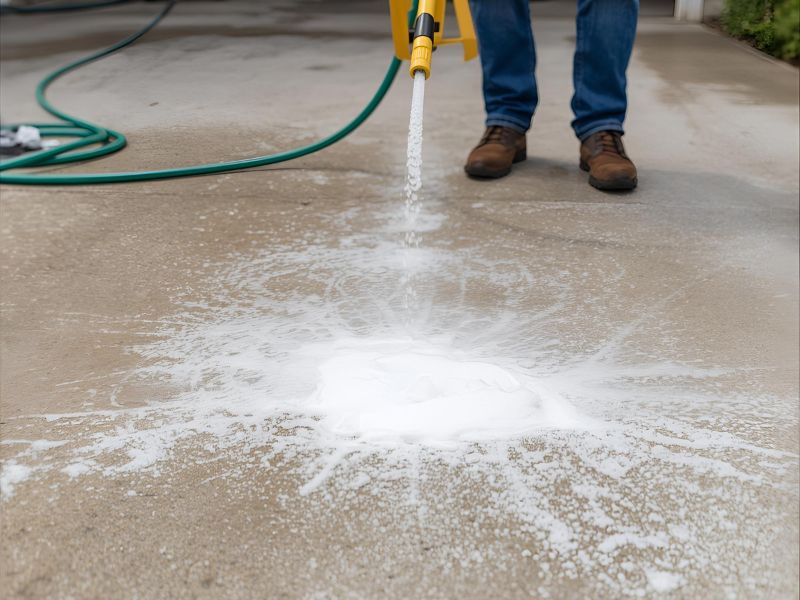
Environmental consciousness drives many property owners toward safer cleaning alternatives. Natural pre-treatments can achieve impressive results while protecting surrounding vegetation and groundwater.
Vinegar-Based Solutions
White vinegar offers surprising cleaning power against specific driveway contaminants. Vinegar solutions can remove up to 90% of weeds growing in driveway cracks, making them ideal for block paving maintenance. Create an effective cleaning solution by mixing equal parts water and white vinegar.
For enhanced effectiveness, add a small amount of washing-up liquid to improve surface adhesion. This combination works particularly well on algae and mildew growth, though it requires longer contact time than commercial alternatives.
Baking Soda Treatments
Baking soda creates an alkaline environment that neutralises acidic stains while providing gentle abrasive action. Make a paste using baking soda and water for spot-treating specific stains, or create a liquid solution for broader application.
This method proves especially effective on organic stains like food spills or plant matter. However, baking soda requires mechanical agitation with a stiff bristled brush to achieve optimal results before pressure washing.
Dawn Dish Soap Solutions
Simple washing-up liquid can tackle many driveway contaminants when properly applied. Mix warm water with a generous amount of concentrated washing-up liquid to create an effective pre-spray for general cleaning.
This approach works well for regular maintenance cleaning but may require multiple applications for heavily stained areas. The surfactants in quality dish soap help lift dirt and grime from the driveway surface, making pressure washing more effective.
Proper application technique significantly impacts cleaning results regardless of which cleaning solution you choose. Hot versus cold pre-treatments demonstrate dramatic differences in effectiveness, with heat doubling the cleaning power against oil, chewing gum, and paint splatters.
Correct Mixing and Dilution
Always follow manufacturer's instructions carefully when preparing cleaning solutions. Over-concentration can damage driveway surfaces, while under-dilution reduces effectiveness. Use clean water for mixing and ensure thorough dissolution of powdered products.
Test any new cleaning solution on an inconspicuous area first, particularly on coloured or sealed surfaces. This precaution prevents unexpected reactions that could mar your entire driveway appearance.
Application Methods
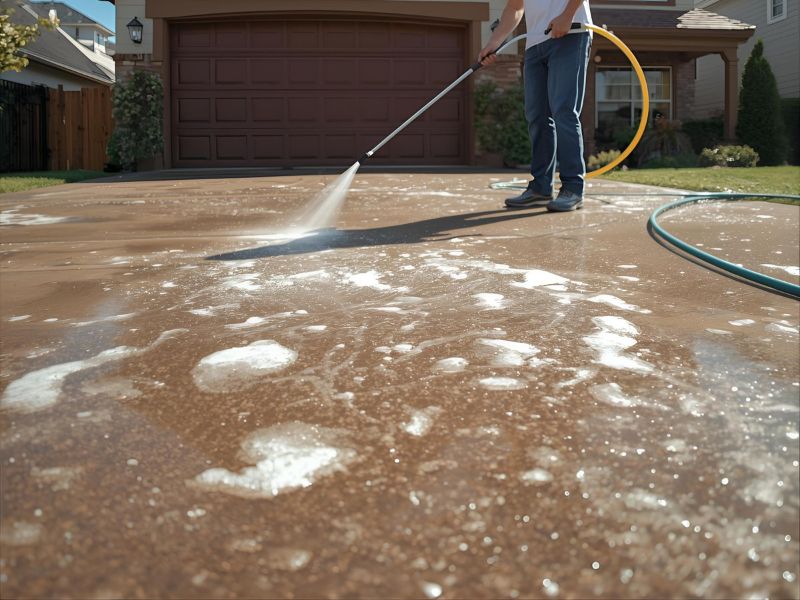
Apply cleaning solutions using a garden hose with spray attachment, pump sprayer, or dedicated chemical applicator. Ensure even coverage across the entire surface, paying special attention to tough areas with concentrated staining.
Work in manageable sections to prevent cleaning solutions from drying before pressure washing. Large driveway areas may require sectional treatment to maintain consistent results throughout the cleaning process.
Dwell Time and Agitation
Allow adequate contact time for cleaning agents to penetrate and break down contaminants. Most commercial products require 5-15 minutes of dwell time, while natural solutions may need longer periods.
For particularly stubborn stains, light agitation with a stiff bristled brush enhances cleaning solution penetration. This mechanical action helps break surface tension and allows cleaning agents to reach embedded dirt and grime.
Driveway cleaning involves potentially hazardous chemicals and high-pressure equipment. Proper protective gear and careful handling prevent accidents and ensure successful cleaning outcomes.
Personal Protective Equipment
Always wear safety goggles when working with cleaning chemicals or pressure washers. Chemical splashes can cause serious eye injury, particularly with concentrated cleaning agents. Protective gear should include non-slip footwear, chemical-resistant gloves, and appropriate clothing.
Well-ventilated areas reduce inhalation risks from cleaning solution vapours. When working in enclosed spaces or using strong chemicals, consider respiratory protection to prevent irritation.
Chemical Handling Best Practices
Store all cleaning agents in original containers with clearly visible labels. Never mix different cleaning products unless specifically designed for combination use. Some chemical interactions produce dangerous gases or reduce effectiveness.
Keep cleaning solutions away from children, pets, and sensitive plants. Even biodegradable products can harm vegetation in concentrated forms. Rinse surrounding areas thoroughly after completing your cleaning job.
Equipment Preparation
Inspect your pressure washer and accessories before beginning any cleaning project. Ensure correct nozzle selection for your specific cleaning task and driveway surface. Using inappropriate pressure settings can cause permanent damage to delicate surfaces.
Maintain consistent distance from the cleaning surface to prevent gouging or etching. Start with wider spray patterns and lower pressure settings, increasing intensity only as needed for effective cleaning.
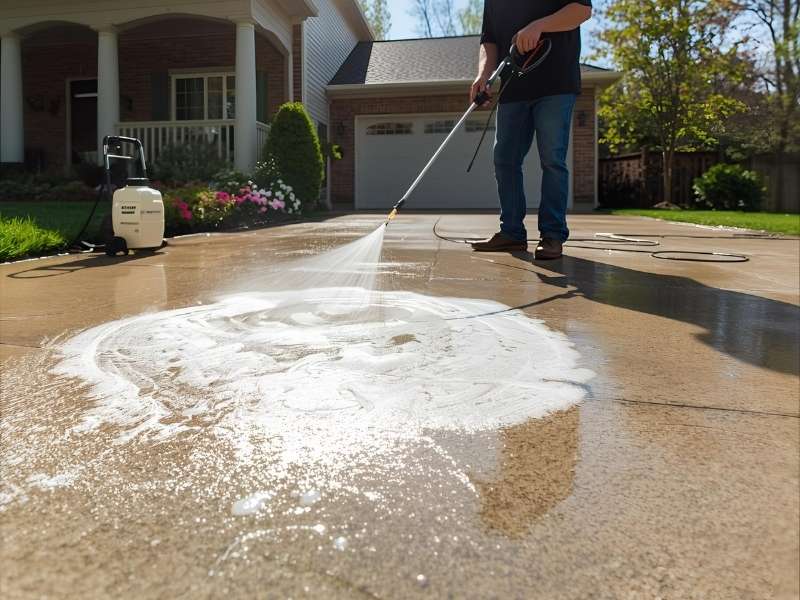
Different contaminants require targeted approaches for complete removal. Understanding these specific strategies helps achieve professional-quality results across various staining scenarios.
Oil Stain Removal
Fresh oil stains respond well to immediate treatment with absorbent materials followed by degreasing agents. For set-in oil stains, enzyme-based cleaners offer superior penetration and breakdown of hydrocarbon chains.
Apply cleaning solution liberally and allow extended dwell time for maximum penetration. Tough areas may require repeated applications with mechanical agitation between treatments.
Algae and Moss Treatment
Biological growth requires biocidal treatment to prevent rapid regrowth. Algae and moss can regrow within 3-6 months without proper pre-treatment that penetrates root systems and spores.
Specialised anti-fungal cleaners target these organisms at the cellular level, providing longer-lasting results than simple surface removal. Apply these treatments during dry weather for optimal effectiveness.
Rust and Metal Stain Removal
Iron-based staining requires specific cleaning chemistry to break down oxide compounds. Oxalic acid-based cleaners effectively neutralise rust stains without damaging concrete or other hard surfaces.
These treatments often require multiple applications for complete stain removal. Always neutralise acid-based cleaners with clean water after treatment to prevent ongoing chemical action.
After applying and allowing proper dwell time for your chosen cleaning solution, the pressure washing phase becomes more straightforward and effective. Using the right pressure washer settings and techniques ensures optimal results without surface damage.
Optimal Pressure Settings
Different surfaces require specific pressure levels for safe, effective cleaning. Concrete surfaces typically handle higher pressures than softer materials like block paving or tarmac driveway surfaces. Start with lower settings and gradually increase pressure as needed.
The correct nozzle selection dramatically impacts cleaning effectiveness. Wide-angle nozzles provide gentler cleaning over broader areas, while narrow patterns concentrate cleaning power for stubborn stains.
Systematic Cleaning Approach
Work systematically across your driveway surface to ensure even cleaning results. Begin with areas requiring the most intensive cleaning, allowing pre-treatment solutions maximum effectiveness on tough stains.
Maintain consistent movement to prevent streaking or uneven cleaning patterns. Overlap each pass slightly to avoid leaving untreated strips between cleaning sections.
Water Management
Proper water management prevents contaminated runoff from reaching storm drains or sensitive environmental areas. Direct dirty water toward suitable drainage or collection points during the cleaning process.
Consider the volume of dirty water produced during pressure washing operations. Plan appropriate disposal methods for contaminated wastewater, particularly when using commercial cleaning agents.
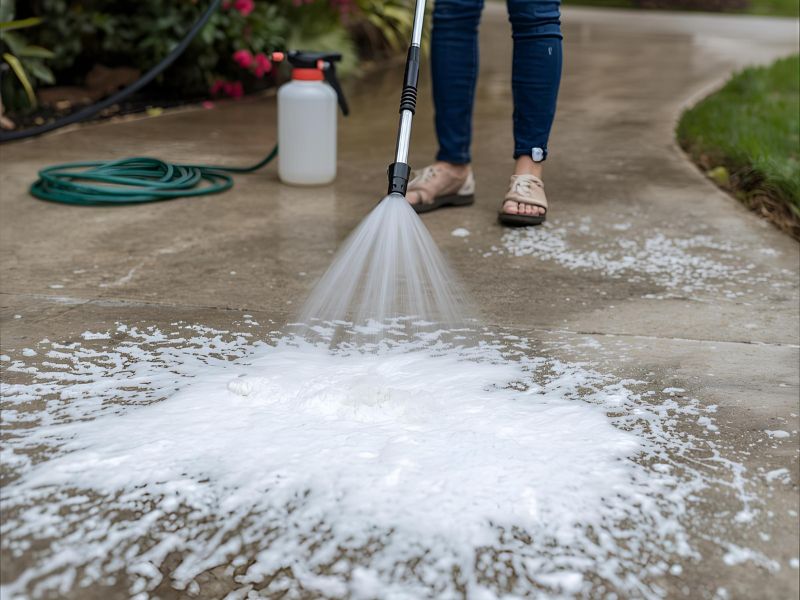
Regular maintenance prevents the accumulation of stains and contaminants that require intensive cleaning methods. Simple preventive measures extend the time between major cleaning sessions while preserving your driveway's appearance.
Regular Maintenance Schedule
Establish a routine maintenance programme that includes periodic inspection for new stains or biological growth. Address spills and contamination promptly to prevent permanent staining and reduce future cleaning requirements.
Simple sweeping and rinsing help remove surface debris before it becomes embedded in porous surfaces. Regular maintenance reduces the intensity of cleaning solutions required for deep cleaning sessions.
Preventive Treatments
Consider applying driveway sealant after thorough cleaning to provide ongoing protection against stains and weather damage. Quality sealants create a barrier that makes future cleaning more effective while extending surface life.
Sealant application requires specific weather conditions and surface preparation for optimal adhesion and performance. Follow product recommendations for application timing and environmental conditions.
Seasonal Considerations
Different seasons present unique maintenance challenges and opportunities. Spring cleaning addresses winter salt damage and accumulated debris, while autumn preparation protects against leaves and organic matter accumulation.
Plan intensive cleaning projects during moderate weather conditions when cleaning solutions and pressure washing equipment perform optimally. Extreme temperatures can affect product performance and safety.
While many driveway cleaning projects suit DIY approaches, certain circumstances warrant professional expertise and equipment. Understanding these situations helps make informed decisions about cleaning strategies.
Complex Staining Scenarios
Heavily stained surfaces or mixed contamination types may exceed DIY cleaning capabilities. Professional services have access to specialised cleaning agents and equipment designed for challenging cleaning situations.
Consider professional cleaning for valuable or delicate driveway materials where improper treatment could cause expensive damage. Expert knowledge of surface-specific cleaning methods protects your investment while achieving superior results.
Equipment Limitations
Consumer-grade pressure washers may lack sufficient cleaning power for heavily soiled surfaces or large driveway areas. Professional equipment offers higher pressure ratings and flow rates for more efficient cleaning.
Commercial cleaning services often provide specialised surface cleaners and recovery systems that improve cleaning effectiveness while managing environmental concerns.
Time and Convenience Factors
Large commercial properties or time constraints may make professional cleaning services more practical than DIY approaches. Professional teams complete projects efficiently while ensuring proper waste disposal and environmental compliance.
Consider the total cost of equipment rental, cleaning supplies, and time investment when evaluating professional cleaning options. Often, the convenience and guaranteed results justify professional service costs.
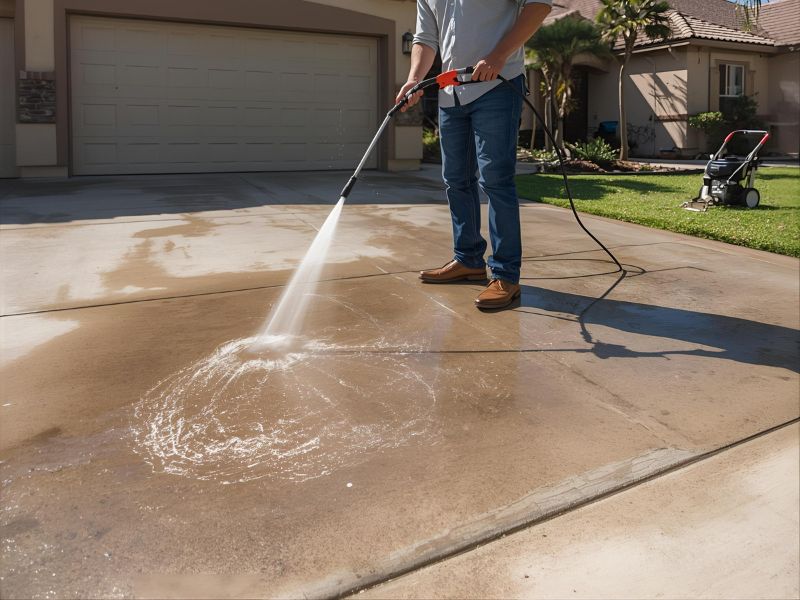
Pre-treating your driveway before pressure washing transforms a basic cleaning task into a professional-quality restoration process. By selecting appropriate cleaning solutions for your specific surface type and staining conditions, you can achieve remarkable results while protecting your investment.
Remember that effective driveway cleaning combines proper chemical pre-treatment, correct pressure washing techniques, and ongoing maintenance practices. This comprehensive approach ensures your clean driveway remains attractive and well-maintained between major cleaning sessions.
The investment in quality cleaning solutions and proper technique pays dividends in extended surface life, improved curb appeal, and reduced long-term maintenance costs. Whether tackling oil stains on concrete surfaces or addressing algae growth on block paving, the right pre-treatment makes all the difference.
For challenging cleaning projects or valuable driveway surfaces, don't hesitate to consult professional cleaning services. Expert knowledge and specialised equipment can address complex situations while protecting your property value.
Ready to transform your driveway with professional-quality cleaning? Driveway Painting UK provides expert cleaning services that combine the right pre-treatment solutions with professional-grade equipment for outstanding results. Our experienced team understands the specific requirements of different driveway surfaces and can tackle even the toughest stains safely and effectively.
Contact Driveway Painting UK today for your free quote and discover how professional driveway cleaning can enhance your property's curb appeal while protecting your investment for years to come.