
Available 7 Days a Week | Emergency Service Available
Call Now: 0333 567 2349 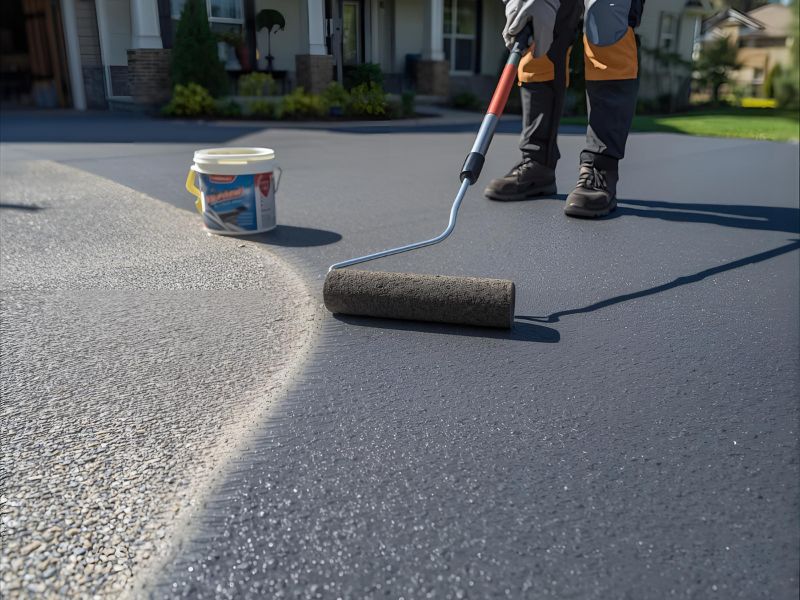
Learning how to recolour a concrete driveway transforms any property without the massive cost of replacement. Most concrete driveways can be transformed in just 1-2 days, making this the fastest way to boost your property's kerb appeal. With over 60% of concrete driveways in the UK now over 10 years old, recolouring has become the go-to solution for refreshing tired concrete surfaces.
Concrete driveways fade significantly over time. Even high-quality colour concrete loses 30-50% of its original colour within the first 5 years due to UV exposure and UK weather conditions. Rather than ripping out your existing concrete slab, recolouring offers a smart alternative that's up to 80% cheaper than full replacement.
The application process works on both domestic and commercial properties. We've seen businesses transform their car parks and homeowners revive their concrete driveway using the same proven methods. Modern imprinted concrete sealer products and colour tint options mean you're not limited to the original colour anymore.
Recolouring can add 5-10% to your property value according to estate agents. That first impression matters, and a fresh concrete driveway creates immediate impact for visitors or potential buyers. The process works equally well on stamped concrete surfaces and traditional plain concrete surfaces.
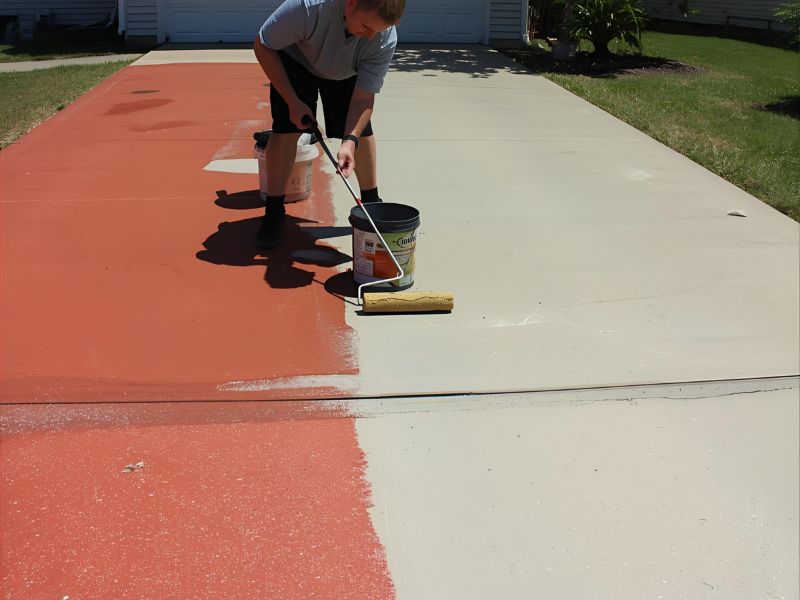
Not every concrete surface responds the same way to recolouring. You need to assess what you're working with before choosing your approach. Imprinted concrete surfaces require different treatment than plain concrete slabs due to their textured patterns and existing sealer layers.
The texture and existing concrete sealer affect how new colour penetrates. Stamped concrete driveways often have deeper grooves that hold more sealer, creating richer colour depth. An imprinted concrete driveway typically needs more sealer colour tints to achieve even coating across all the textured areas.
Understanding how to prep concrete driveway for painting for long lasting results is essential at this stage. Check if your existing concrete has been sealed before. Run a simple water test by dropping small amounts on different areas. If water beads up, you have a sealed surface that may need surface preparation. If it soaks in quickly, the concrete is unsealed and ready to accept new sealer.
Look for cracks, chips, or areas where the surface has degraded. These spots need repair before applying any sealer colour tints. Clean concrete surfaces give better results than areas with oil stains or moss growth that can prevent proper penetration.
Modern concrete sealer technology offers 15+ colour options beyond traditional grey. Popular sealer colour tints include charcoal, sandstone, terracotta, and even bold red tones for commercial applications. The right colour can completely transform your concrete driveway appearance.
In addition to aesthetic benefits, many homeowners also wonder: does sealing a driveway prevent weeds? While colour and finish are key considerations, a well-applied sealer can help reduce weed growth by limiting moisture and debris from entering surface cracks.
Water based stains penetrate differently than solvent based sealers. Water-based products are easier to work with and clean up, but solvent based sealers often provide deeper colour penetration on dense concrete surfaces. Each type has advantages depending on your specific concrete surface requirements.
Colour pigment concentration determines the final result. Light tinted sealer creates subtle colour changes, while higher colour pigment levels deliver dramatic transformations. Consider your property style and local planning requirements when selecting colour intensity for your driveway.
Test your chosen colour tint on a small, hidden area first. Concrete colour can vary based on the original mix and age of your surface. What looks perfect on a sample might appear different on your actual concrete driveway due to variations in the existing concrete.
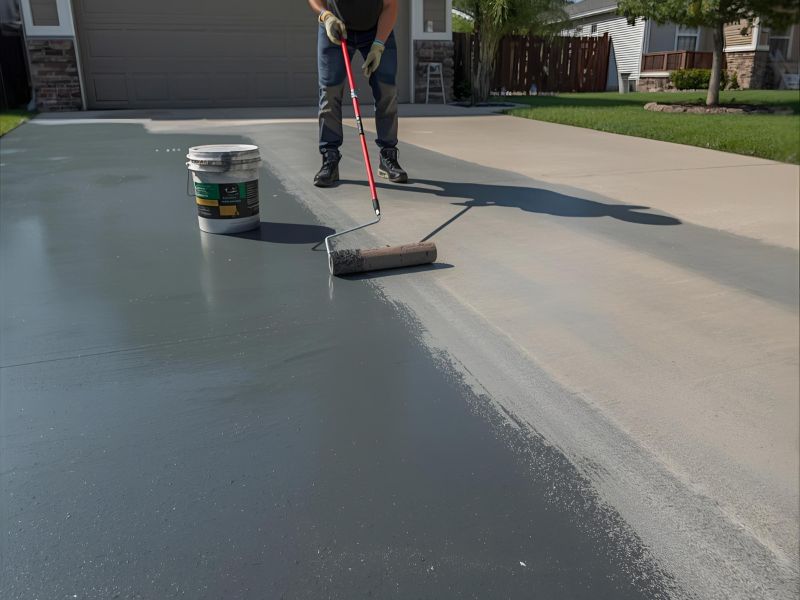
Successful recolouring depends on having proper equipment. You'll need a pressure washer for surface preparation, brush tools for detailed areas, and roller equipment for applying sealer evenly across large sections of your driveway.
Concrete sealer comes in different formulations designed for various surface types. Choose between penetrating sealers that soak deep into the surface or film-forming sealers that create a protective coating on top. Each type requires specific application methods to ensure proper penetration.
Protective equipment matters more than people realise. Concrete sealer vapours can irritate eyes and lungs, especially with solvent based sealers. Use proper ventilation and wear appropriate breathing protection during the application process across the whole area.
Have repair materials ready for any surface issues you discover during cleaning. Small cracks can be filled with appropriate materials, while oil stains may need degreasing products before the concrete sealer will adhere properly and provide even coating.
Proper surface preparation determines whether your recolouring lasts years or fails within months. Start by clearing the whole area of vehicles, furniture, and debris from your concrete driveway.
Pressure wash the entire surface, paying special attention to areas with stains or moss growth. Allow the concrete to become completely dry before proceeding. Wet concrete won't accept sealer properly, leading to patchy results and poor penetration across concrete surfaces.
For oil-stained areas, use a degreasing agent followed by thorough rinsing. These spots repel water-based products and create weak points in your finished surface if not properly cleaned. This is especially important on imprinted concrete where texture can trap contaminants.
Repair any cracks or damaged areas now. Small holes can be filled with appropriate repair compounds, while larger cracks might need professional attention. Ensure all repairs are completely dry and level before applying any sealer to maintain even coating.
The application process determines your final results. Start with a small test area to verify colour depth and coverage patterns before tackling the whole area of your concrete driveway. This helps ensure proper penetration and colour consistency.
Apply the first coat using a brush for edges and detailed areas, then switch to a roller for main sections. Work in manageable sections to maintain a wet edge and avoid lap marks. Concrete sealer starts to set quickly, especially in warm weather, so timing is critical.
Ensure proper penetration by working the sealer into the surface texture. On stamped concrete or imprinted concrete surfaces, use a brush to push sealer colour tints into grooves and patterns. This prevents light spots that show through the finished coating and ensures consistent colour across all areas.
Watch for areas that absorb sealer quickly. Older or more porous concrete surfaces may need additional sealer to achieve even coating. Don't let any section go completely dry before applying sealer to the next area to maintain proper penetration throughout.
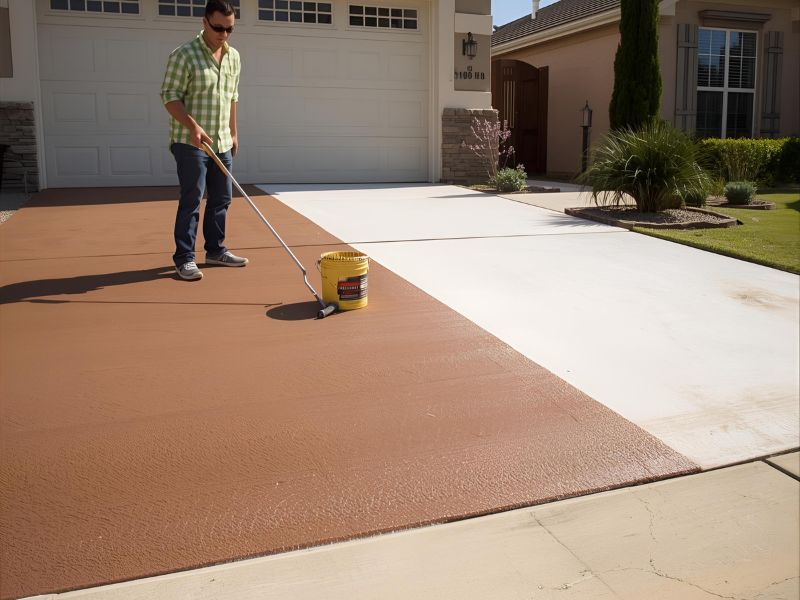
Most concrete surfaces need a second coat for optimal results and long-lasting protection. Wait for the first coat to become completely dry before applying additional layers. This usually takes 2-4 hours depending on temperature and humidity conditions.
The second coat often goes on more easily than the first since the surface is partially sealed. Use lighter pressure and less sealer for this application. Focus on achieving uniform appearance rather than maximum penetration, as the base coat has already provided the foundation.
Some high-traffic areas benefit from additional coating, particularly around vehicle turning points or heavy-use sections. Commercial concrete driveways often require this extra protection to maintain appearance under constant use and add colour that lasts longer.
Each coat builds protection and colour depth. You'll notice the concrete colour becoming richer and more consistent with each application. This layering approach using quality sealer also extends the life of your recolouring project significantly.
Proper curing makes the difference between a surface that lasts years versus one that fails quickly. Keep the area completely dry during the curing process. Even light rain can damage freshly applied sealer and prevent proper penetration.
Temperature affects curing time significantly. Warm, dry conditions speed the process, while cool, humid weather extends drying time. Winter is the least effective time to recolour because cold, damp conditions prevent proper bonding of sealer to concrete surfaces.
Avoid foot traffic for at least 24 hours after application. Vehicle traffic should wait 48-72 hours minimum on your concrete driveway. If you’re wondering how long before you drive on a painted driveway, this waiting period is critical to avoid damaging the finish. Rushing this stage leads to marks, scuffs, and premature wear of your new colour coating.
Monitor the surface during curing. Properly cured sealers should feel firm and show no tackiness when touched lightly. If areas remain soft after expected drying time, extend the curing period before allowing normal use to ensure the sealer has achieved proper penetration.
UV-protective sealers can extend colour lifespan by 3-5 years when properly maintained. Regular cleaning prevents dirt buildup that can make concrete surfaces look dull and worn, especially important for maintaining the appearance of your concrete driveway.
Re seal the surface every 2-3 years to maintain protection and colour vibrancy. This maintenance schedule prevents the dramatic fading that requires complete recolouring. Think of it as routine maintenance rather than major renovation for your concrete driveway.
Clean spills quickly, especially oil or chemical substances. Even sealed concrete can be damaged by prolonged contact with harsh materials. Quick action prevents permanent staining and protects the sealer coating you've applied.
Watch for areas showing early wear, particularly around vehicle parking spots. These zones experience the most stress and may need touch-up applications between major resealing cycles to maintain even coating and colour consistency.
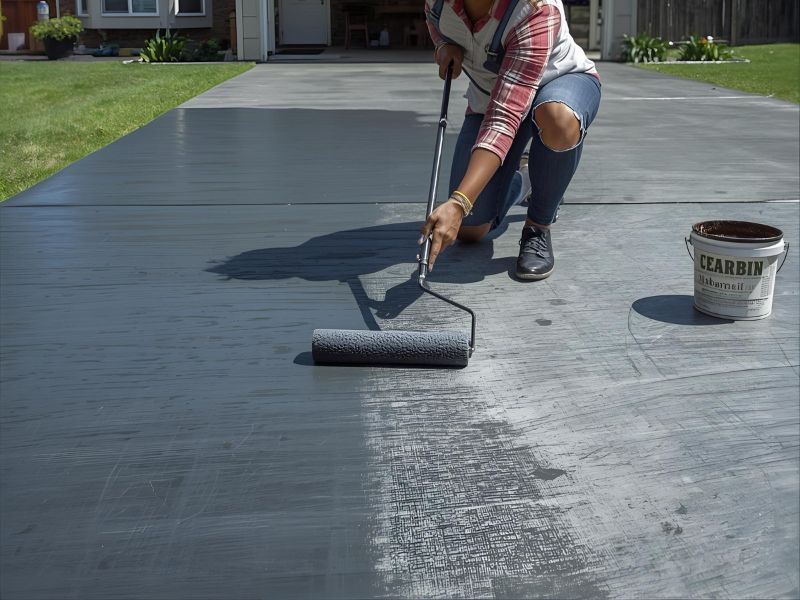
Peeling occurs when sealer doesn't bond properly with concrete surfaces. This usually results from inadequate cleaning or applying sealer to wet concrete. Always ensure concrete surfaces are completely clean and dry before starting any application process.
Uneven colour typically comes from inconsistent application or varying absorption rates across the surface. Work systematically and maintain wet edges to prevent this issue. Pay attention to how quickly different areas of your concrete driveway absorb the sealer.
Fading happens faster than expected when inferior sealers are used or UV protection is inadequate. Invest in quality sealer products designed for UK weather conditions. Cheap sealers might save money initially but cost more in the long run due to poor colour retention.
Bubbling or blistering indicates moisture trapped under the sealer film. This problem is more common with solvent based sealers applied over damp concrete surfaces. Always test moisture levels before application to ensure proper penetration.
DIY recolouring works well for straightforward projects on standard concrete surfaces. You can achieve professional-looking results with proper preparation and quality materials. The process isn't complicated, but attention to detail matters enormously for lasting results.
Professional installation makes sense for large commercial properties or complex imprinted concrete patterns. Experienced contractors have specialised equipment and know how to handle challenging concrete surfaces or repair issues that emerge during preparation.
Cost considerations vary significantly. DIY projects save on labour but require tool investment and your time for surface preparation and application. Professional work costs more upfront but includes warranties and expertise that can prevent costly mistakes.
Consider your skill level honestly. Surface preparation and even coating application require patience and proper technique. If you're not comfortable with detailed work, professional installation might deliver better long-term value for your concrete driveway.
Recolouring techniques developed for concrete driveways adapt well to other concrete surfaces. Patios, paths, and even vertical features like retaining walls can benefit from the same colour tint methods and sealer applications.
Block paving and other materials sometimes work with modified versions of concrete sealer products. Test compatibility on hidden areas first, as not all sealers work on every surface type. Different materials require different approaches to achieve proper penetration.
Resin-bonded colour overlays are growing in popularity across the UK. These systems offer enhanced durability and modern aesthetics beyond traditional sealer applications. They're particularly effective on high-traffic commercial concrete surfaces.
Consider coordinating colours across different areas of your property. A consistent colour scheme between your concrete driveway, patio areas, and paths creates a unified, professional appearance that enhances overall property presentation and adds new life to tired surfaces.
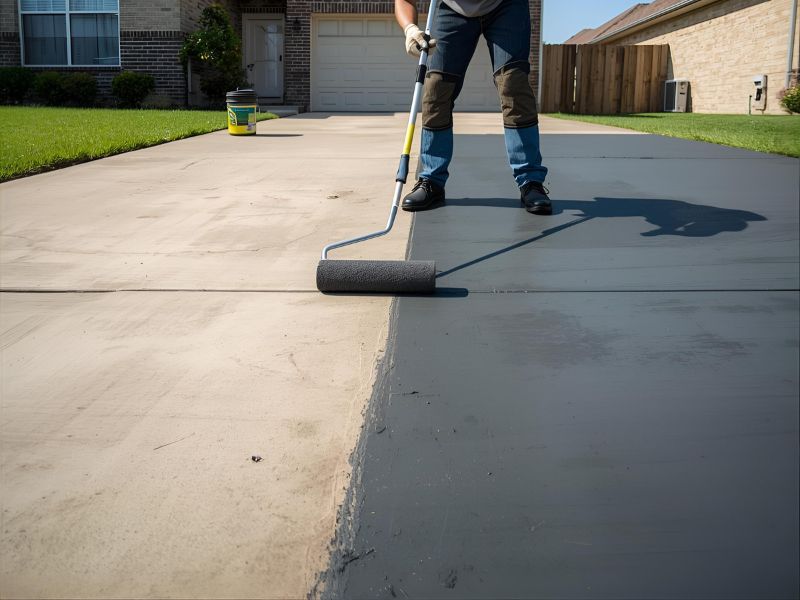
Recolouring your concrete driveway transforms your property's appearance while protecting your investment. The combination of cost savings, quick completion, and dramatic visual improvement makes this one of the best option projects available for property enhancement.
Success depends on proper surface preparation, quality sealer selection, and careful application methods. Take time to understand your specific concrete surface requirements and choose appropriate sealer colour tints for your situation. The results will reward your attention to detail with years of enhanced kerb appeal.
Ready to transform your concrete driveway with professional recolouring? Contact Driveway Painting UK today for your free quote. We specialise in both domestic and commercial concrete surface restoration, delivering lasting results that enhance your property value and appearance.